The correct spelling is "believe," while "beleive" is a common but incorrect variation. When a writer considers the question of beleive or believe, the choice is clear; one is the standard form, while the other is a persistent misspelling. Using the "i before e" rule ensures the proper form is used in writing. It is simple.
SpellingOctober 30, 2026
Believe or Beleive: The Correct Spelling Explained
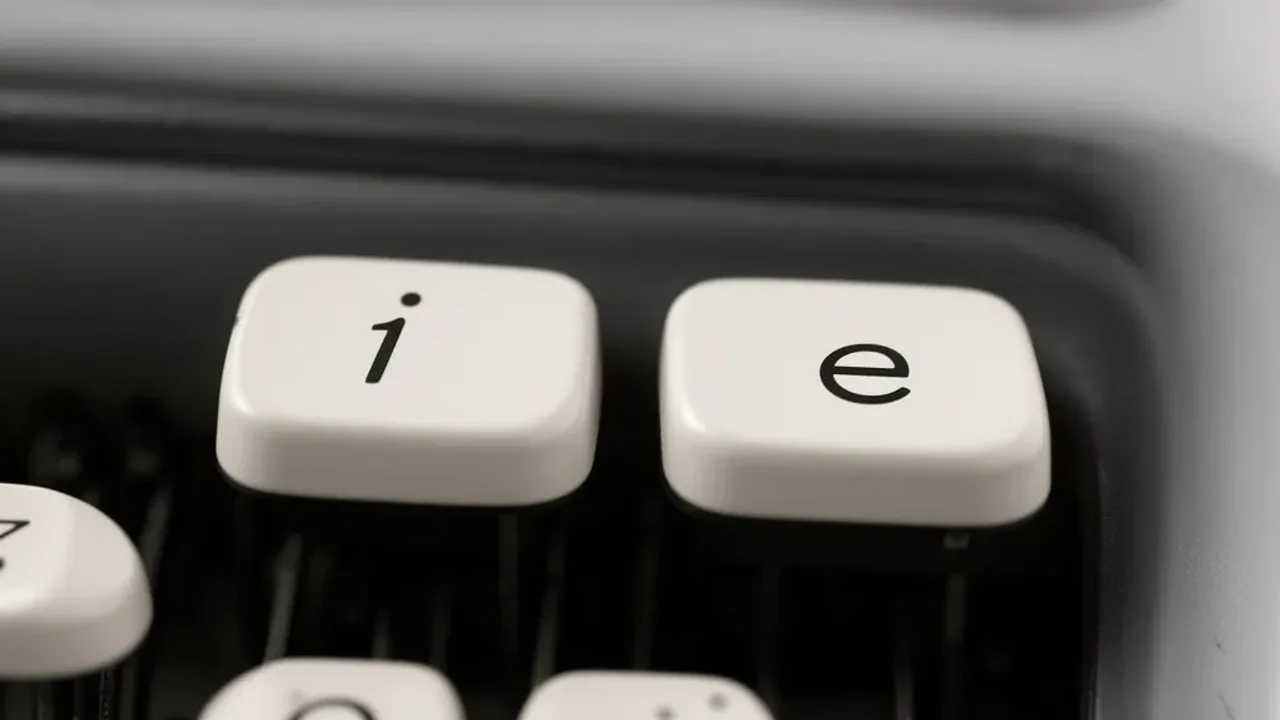 AI-generated image
Key Takeaways:
- The only correct spelling is believe.
- The form "beleive" is a misspelling and does not exist in the English language.
- Applying the vowel rule helps maintain consistency in your writing.
- Verification is an effective way to ensure professional communication.
Comparison of Spelling Forms
Understanding the difference between these forms is essential for clear communication. Whether a writer is checking beleive or believe, the following table clarifies which version is acceptable for use in any context. Accuracy is paramount.
| Feature | Believe | Beleive |
|---|---|---|
| Standard Status | Correct | Incorrect |
| Usage | Universal | None |
| Letter Order | i before e | e before i |
| Dictionary Entry | Yes | No |
When to Use Which
Always use the form believe in all correspondence. Since "beleive" is never correct, a writer should avoid it entirely. If a person hesitates when deciding between beleive or believe, they should follow these steps:
- Confirm the word uses "i" before "e."
- Check a dictionary if you remain uncertain.
- Proofread the text to catch transposition errors.
- Consult a style guide for further clarity.
Accuracy matters. Always verify your spelling.
Why the Spelling Is Confused
The misspelling occurs due to the complexity of orthographic rules. While many words follow the i before e pattern, the human tendency to transpose vowels leads to the accidental beleive form. Focusing on the correct letter sequence is the best strategy. Practice helps.
Many writers struggle with vowel placement. This is normal. By associating the word with its correct visual structure, you can bypass the habit of reversing the letters. Repetition reinforces the correct pattern.
Understanding English Orthography
English spelling rules often seem inconsistent. However, specific patterns govern the majority of common verbs. The word "believe" follows the standard rule where the "i" precedes the "e" when the sound is a long "e." This rule is a foundational element of English literacy. Mastering it prevents common mistakes.
When you encounter a word that feels difficult, break it down. Look at the root components. By visualizing the word, you can quickly identify whether it fits the established linguistic pattern. This cognitive approach is highly effective for long-term retention.
Frequently Asked Questions
Is "beleive" ever a valid alternative?
No. It is strictly considered a spelling error in standard English. It has no place in formal or informal writing.
How can I remember the correct spelling?
Apply the mnemonic "i before e, except after c." Since the letter preceding the vowel is "l," the "i" comes first.
Does the spelling change in different dialects?
The spelling of believe is consistent across all English dialects. There are no regional variations that accept the incorrect form.
Are there exceptions to this rule?
There are no exceptions. The word is always spelled with an "i" followed by an "e."
What if I see "beleive" in a document?
Correct it to "believe" immediately. It is a clear typographical error that undermines the credibility of the document.
Why is this spelling so commonly mistaken?
The confusion stems from the many exceptions to spelling rules in English. Writers often overthink the vowel order, leading to accidental reversals.
The only correct spelling is "believe," which follows the standard "i before e" rule. Always use this form to ensure your writing remains professional and accurate.
Share: