Spelling
22 Articles · Strona 1 z 2

At Least: The Correct Spelling of the Two-Word Phrase
At Least: The Correct Spelling of the Two-Word PhraseThe correct spelling is always two separate words, "at least," as "atleast" is not a valid word in the English language. When you search for atleast or at least, you will find that only the two-word version is recognized as standard English. Alway
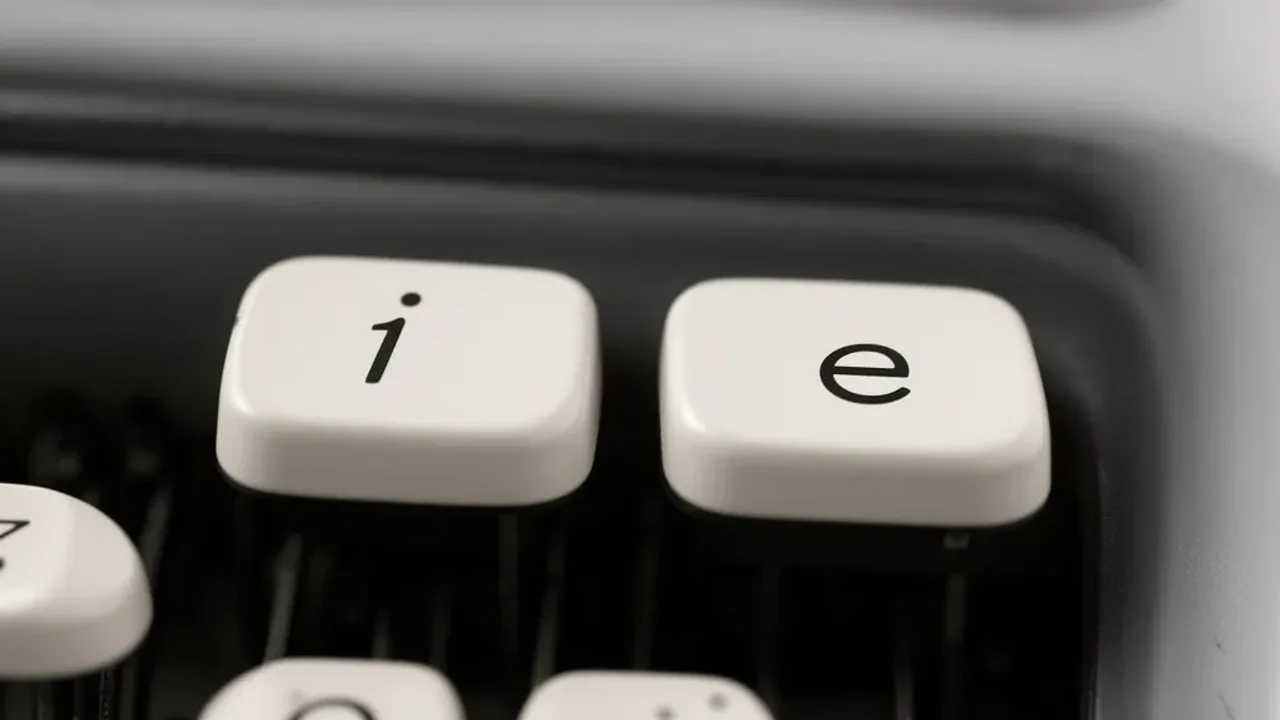
Believe or Beleive: The Correct Spelling Explained
Believe or Beleive: The Correct Spelling ExplainedThe correct spelling is "believe," while "beleive" is a common but incorrect variation. When a writer considers the question of beleive or believe, the choice is clear; one is the standard form, while the other is a persistent misspelling. Using the

Imply vs. Infer: Key Differences in Meaning and Usage
Imply vs. Infer: Key Differences in Meaning and UsageThe primary difference between these terms is that a speaker or writer implies a meaning through their message, while a listener or reader infers a meaning from the information provided. Understanding the distinction in imply vs infer is essential
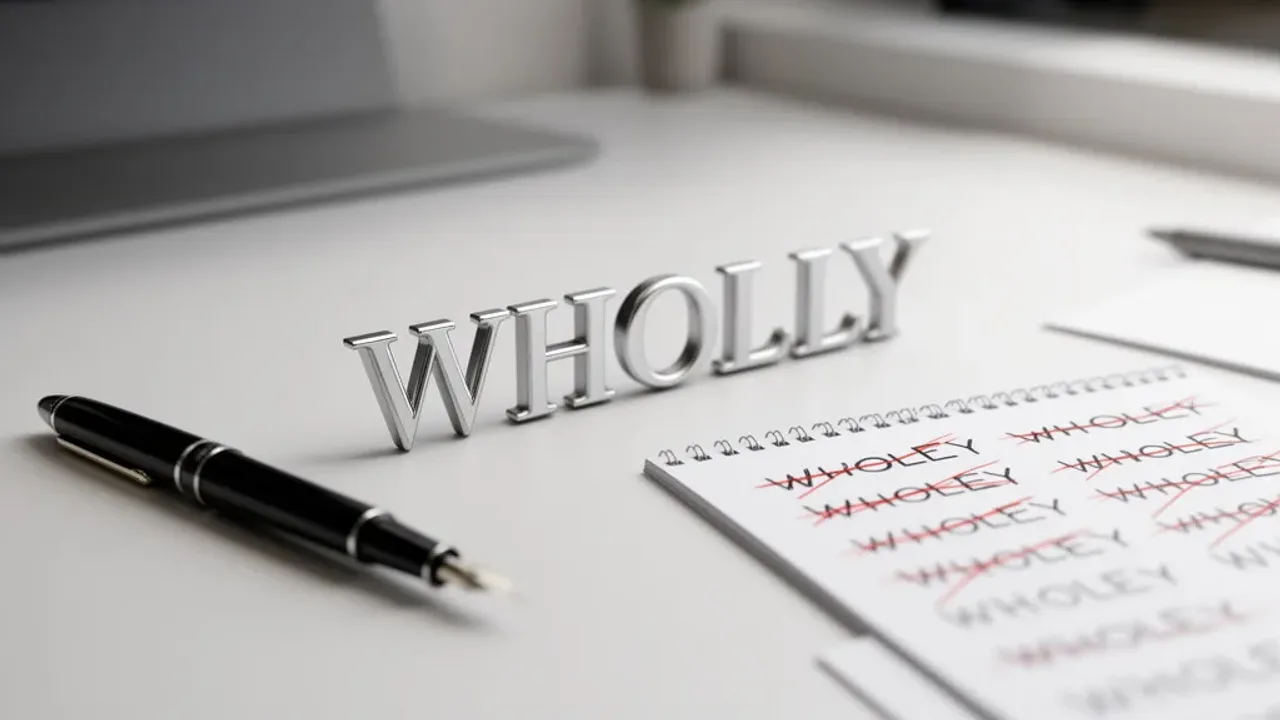
Wholly vs. Wholey: The Only Correct Spelling Explained
Wholly vs. Wholey: The Only Correct Spelling ExplainedThe only correct spelling is "wholly," while "wholey," "wholy," and "wholely" are incorrect variations. Using the standard form "wholly" ensures clarity and adherence to proper English spelling conventions when addressing the common confusion sur
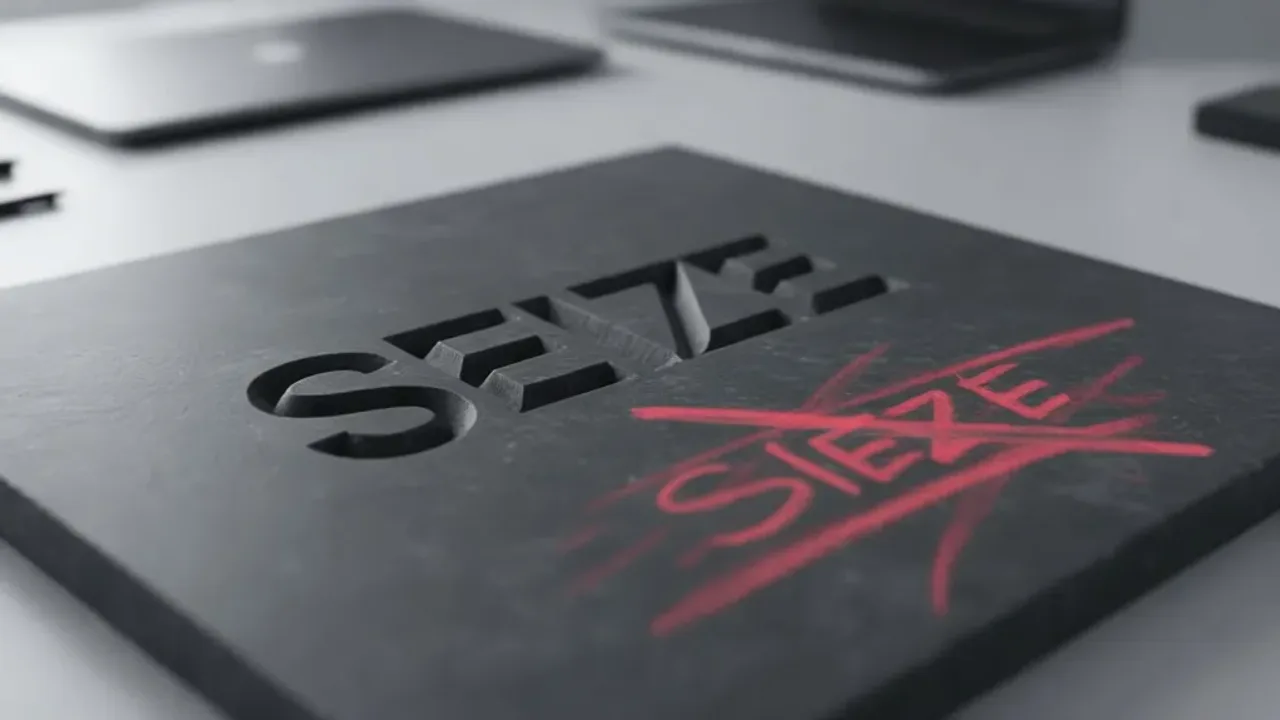
How to Spell Seize Correctly (Not Sieze)
How to Spell Seize Correctly (Not Sieze)The correct spelling is seize, while sieze is a common misspelling. Always use the form with "ei" to ensure accurate writing whenever you research the differences between sieze or seize. Achieving precision in your vocabulary is a hallmark of professional writ
In-House: The Correct Spelling and Usage Guide
In-House: The Correct Spelling and Usage GuideThe correct spelling is "in-house" when used as an adjective or adverb, while "inhouse" is considered incorrect and "in house" is reserved for specific prepositional contexts. Users searching for inhouse or in house or in house often encounter confusion

Pentoxide vs. Pentaoxide: Which Spelling Is Correct?
Pentoxide vs. Pentaoxide: Which Spelling Is Correct?When navigating the complexities of chemical nomenclature, precise terminology is essential for maintaining accuracy in scientific communication. One common point of confusion among students, researchers, and technical writers is the distinction be
Cemetery or Cemetary: The Correct Spelling Explained
Cemetery or Cemetary: The Correct Spelling Explained"Cemetery" is the only correct spelling, while "cemetary" is a common misspelling. Always use the suffix "-ery" when writing this word to ensure your communication remains professional and accurate.Key Takeaways:The correct spelling is always cemet
Commit vs. Comit: The Correct Spelling Explained
Commit vs. Comit: The Correct Spelling Explained"Commit" is the only correct spelling of the verb. Conversely, "comit" is a misspelling that does not exist in the English language. Understanding the nuance of commit vs comit is essential for accuracy in your professional and personal writing.Key Tak

Login vs. Log In: How to Use These Terms Correctly
Login vs. Log In: How to Use These Terms CorrectlyThe primary difference between these terms is that "log in" is a phrasal verb used to describe the action of accessing a computer system, while "login" functions as a noun or adjective used to identify credentials or a specific access point. Understa

Forty or Fourty: The Correct Spelling Explained
Forty or Fourty: The Correct Spelling ExplainedThe correct spelling is forty, while fourty is a misspelling. You should always omit the letter "u" when writing the number that follows thirty-nine. This distinction is a fundamental rule in English orthography that often causes confusion for writers o

How to Spell Tomorrow: Correcting the "Tommorow" Error
How to Spell Tomorrow: Correcting the "Tommorow" ErrorThe correct spelling is "tomorrow," while "tommorow" is an incorrect variation. Using the standard spelling ensures clarity in written communication when deciding between tommorow or tomorrow. Achieving precision in your writing is a simple yet e

Dual vs. Duel: Understanding the Key Differences
Dual vs. Duel: Understanding the Key DifferencesThe confusion between "dual" and "duel" is a common hurdle for writers and students alike. While these words sound identical, they serve entirely different grammatical and semantic functions. Mastering the dual vs duel distinction is essential for clea
Well-Deserved or Well Deserved: When to Use a Hyphen
Well-Deserved or Well Deserved: When to Use a HyphenDetermining the correct punctuation for descriptive phrases can often be a source of frustration. The primary difference between "well-deserved" and "well deserved" depends entirely on the grammatical position of the phrase within a sentence. Speci
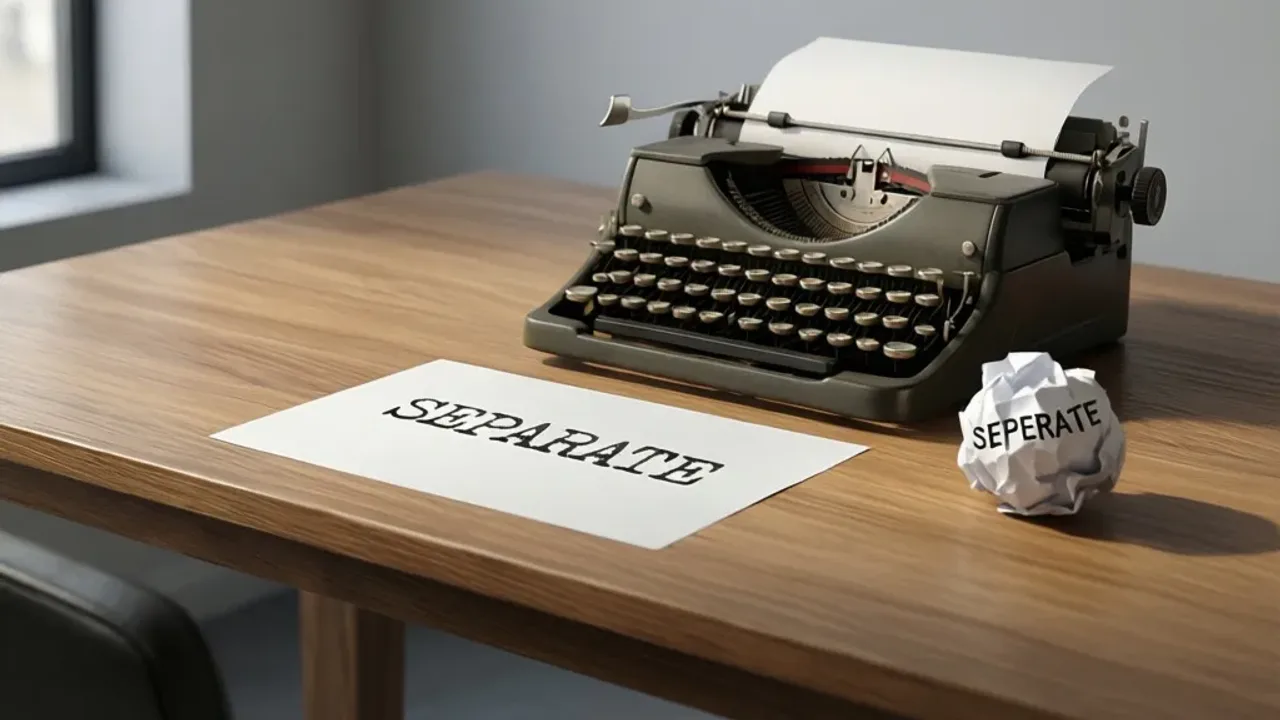
Separate: The Correct Spelling Explained
Separate: The Correct Spelling ExplainedThe correct spelling is separate, while seperate is an incorrect spelling of the word. You should always use the "a" after the "p" to ensure your writing is accurate. Deciding between seperate or separate is a common challenge that every writer faces when aimi

Vain vs Vein: Differences, Definitions, and Usage Explained
Vain vs Vein: Differences, Definitions, and Usage ExplainedThe English language is filled with words that sound identical but possess completely different meanings and spellings. Understanding the distinction between vain vs vein is essential for accurate writing, as these terms are homophones that
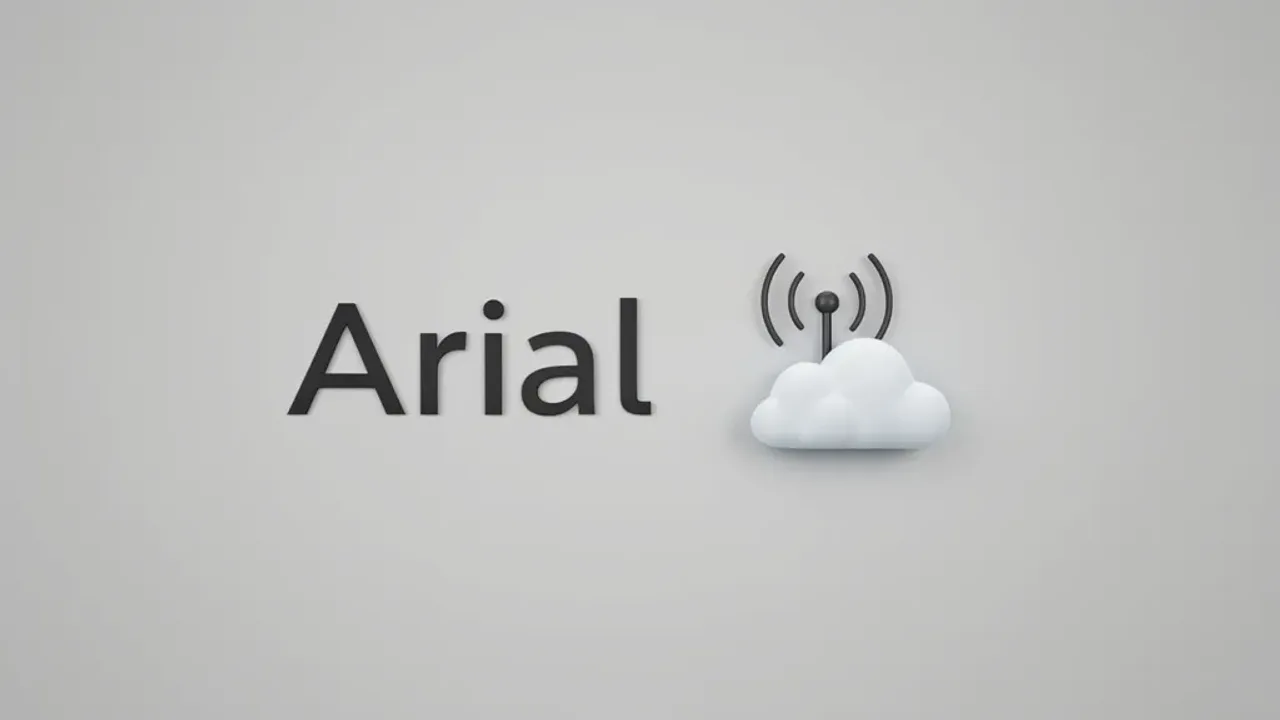
Arial vs. Aerial: Understanding the Difference
Arial vs. Aerial: Understanding the DifferenceThe primary difference is that Arial is a specific sans-serif typeface, whereas aerial refers to anything related to the air, such as a physical antenna or a view from above. Understanding the distinction in the arial vs aerial debate is essential for pr

Stationary vs Stationery: What Is the Difference?
Stationary vs Stationery: What Is the Difference?The primary distinction in the stationary vs stationery comparison is that "stationary" describes an object that is fixed in one place, whereas "stationery" refers to writing materials like paper and envelopes. While these two terms sound identical wh

Setup vs. Set Up: Understanding the Difference
Setup vs. Set Up: Understanding the DifferenceThe primary difference between these terms is that "set up" is a phrasal verb used to describe an action, whereas "setup" is a noun or adjective used to refer to a configuration or system. Deciding whether to use setup or set up correctly depends on whet
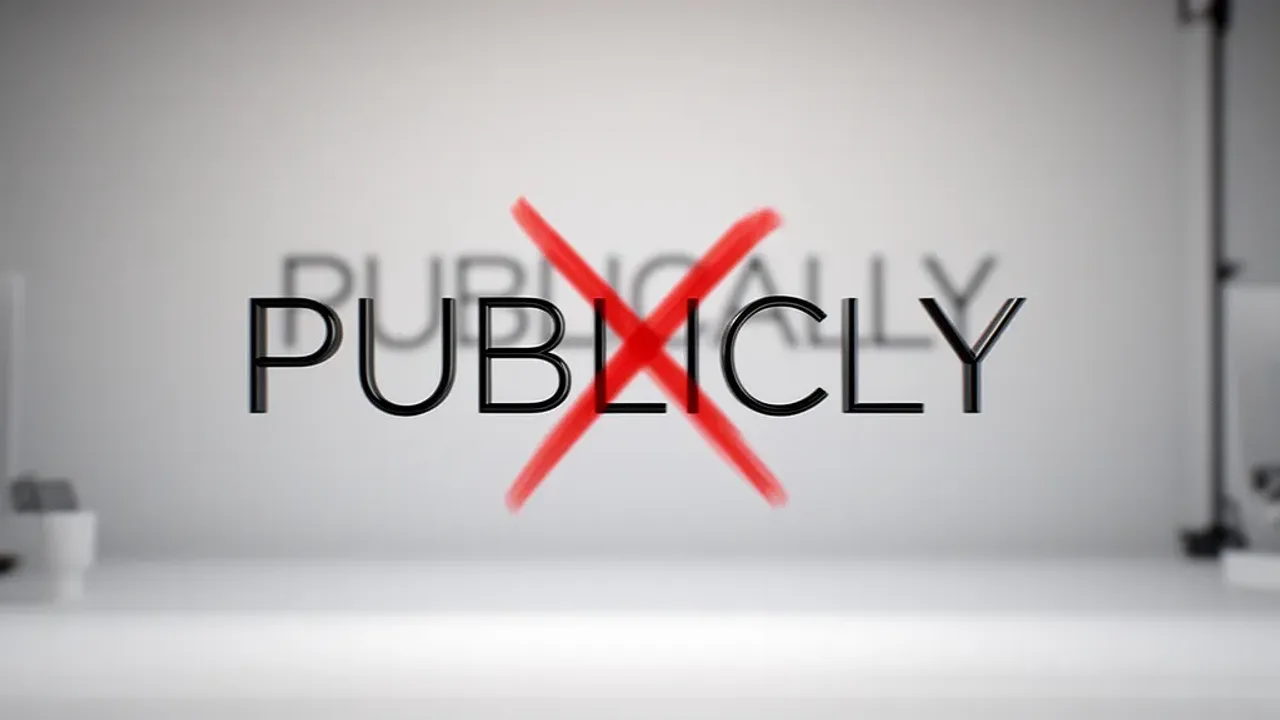
Publicly or Publically: The Correct Spelling Explained
Publicly or Publically: The Correct Spelling ExplainedThe only correct spelling is publicly, as the alternative form is considered an error. When deciding between publically or publicly, it is essential to remember that only the former is recognized as a valid term in standard English. Misspellings