One bar is equal to 14.5038 PSI. Understanding how to convert 1 bar to psi is a fundamental skill for engineers, mechanics, and hobbyists who work with pressurized systems. Because different regions and industries utilize distinct measurement standards, knowing the relationship between these two units ensures that equipment is operated safely and efficiently.
ConvertersOctober 20, 2026
1 Bar to PSI: Conversion Guide and Calculation
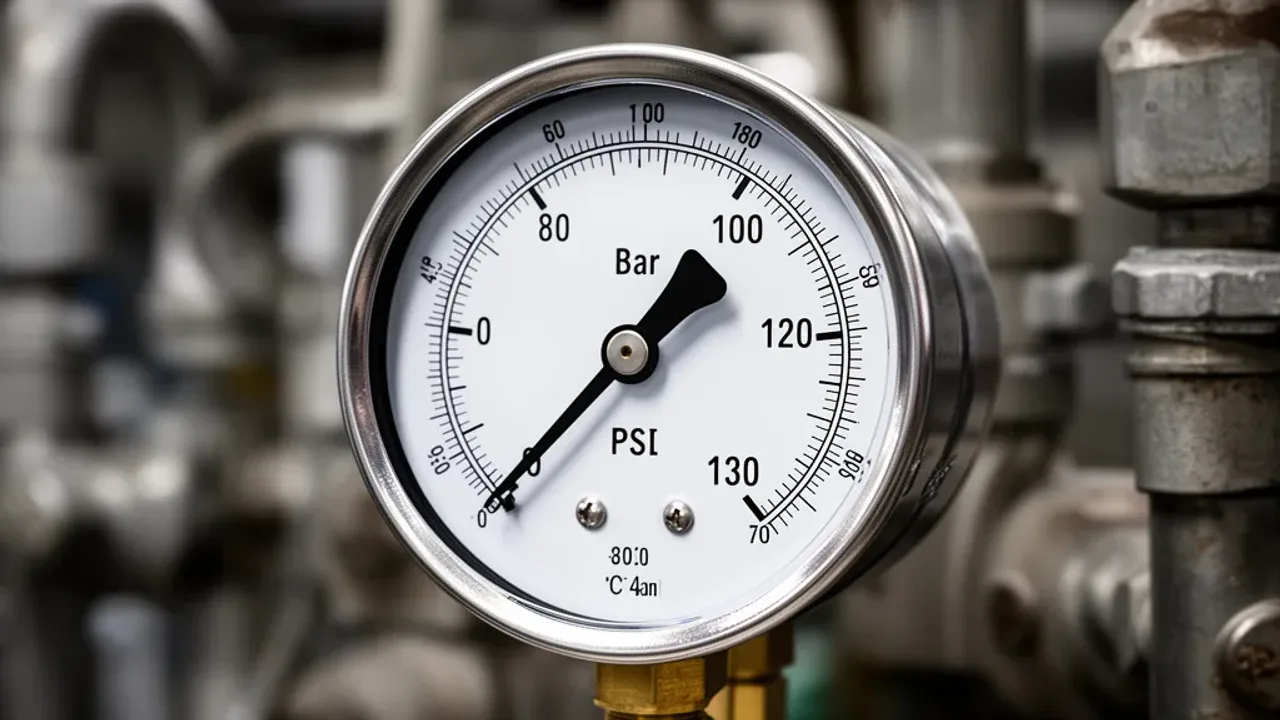 AI-generated image
Key Takeaways:
- One bar equals 14.5038 pounds per square inch.
- The conversion factor relies on precise physical definitions.
- Always verify gauge scales before inflating tires or tanks.
- Bar is a metric unit; PSI is an imperial unit.
Calculation and Formula
Pressure unit conversion follows specific scientific standards. One bar is defined as exactly 100,000 pascals. In contrast, one PSI, or pound per square inch, is defined by the force of one pound applied to an area of one square inch. To convert bar to PSI, you multiply the bar value by 14.5038. This formula provides the accuracy required for technical applications. It is the gold standard for conversion.
When you are performing these calculations, consider the following points to ensure your results remain accurate and reliable:
- Double-check the unit labels on your equipment.
- Differentiate between absolute pressure and gauge pressure.
- Use the full conversion factor for safety-critical tasks.
- Verify that your gauge is properly calibrated.
| Bar | PSI |
|---|---|
| 0.5 bar | 7.2519 PSI |
| 1 bar | 14.5038 PSI |
| 2 bar | 29.0076 PSI |
| 5 bar | 72.5190 PSI |
| 10 bar | 145.0380 PSI |
Practical Application
Pressure measurements are a daily necessity in automotive maintenance and industrial manufacturing. Technicians use this conversion factor to ensure that tires, hydraulic systems, and pneumatic tools operate within manufacturer limits. Knowing how 1 bar to psi functions allows for seamless adjustments in any workshop environment. It ensures safety.
- Locate the required pressure on the equipment label.
- Select a gauge that matches the necessary measurement unit.
- Convert the value if the gauge does not match the requirement.
- Compare your final reading against the original specifications.
Frequently Asked Questions
Is 1 bar the same as 1 atmosphere?
No, they are different. One standard atmosphere is defined as 1.01325 bar. Therefore, an atmosphere is slightly higher than 1 bar.
How do I convert PSI back to bar?
To convert PSI to bar, divide the PSI value by 14.5038. You can also multiply the PSI value by approximately 0.06895 for a quick estimate.
Why are there different pressure units?
Different industries historically adopted unique standards. Bar is a metric unit, while PSI remains the standard unit of pressure in the imperial system.
Can I use a rough estimate?
For non-critical uses, rounding to 14.5 is acceptable. However, use the full 14.5038 factor for precision in high-pressure or safety-critical engineering.
Does temperature affect these readings?
Yes, temperature changes gas pressure. While the mathematical conversion factor remains constant, the physical pressure inside a container may shift as the temperature fluctuates.
To convert 1 bar to psi, simply multiply by 14.5038. Use this factor for all your technical needs to ensure accurate equipment operation and long-term system reliability.
Share: