Glazing is the professional process of installing glass into frames or applying a protective, decorative, or functional coating to the surface of a material. Understanding the glazing meaning is essential for professionals and DIY enthusiasts alike, as the term carries specific technical implications across the construction, ceramics, and culinary arts industries. While the core concept involves surface treatment or glass integration, the execution varies significantly depending on the field.
MeaningsAugust 28, 2026
What Is Glazing? Meaning, Applications, and Uses Explained
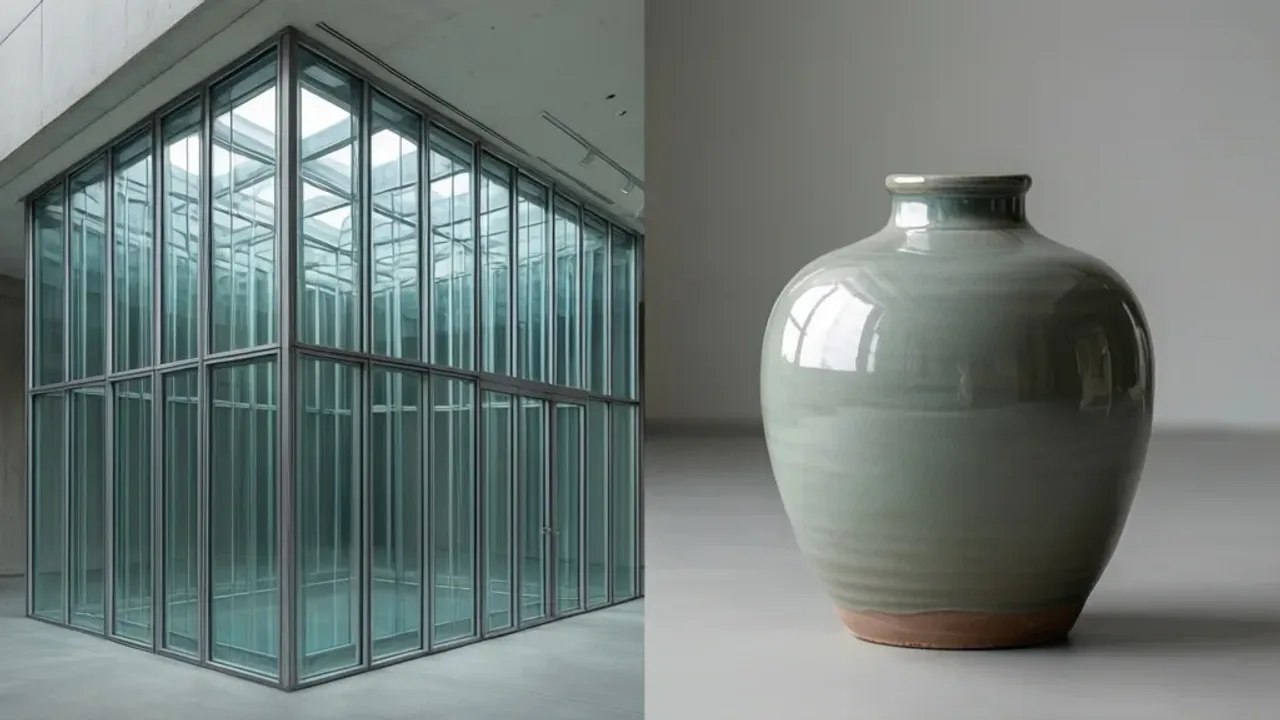 AI-generated image
Key Takeaways:
- Glazing is defined as either the structural installation of glass or the application of a surface coating.
- The term is used across distinct fields including construction, pottery, and food preparation.
- Proper construction glazing is a critical factor for improving thermal insulation within a building.
- In artistic contexts, glazing refers to creating a smooth, vitreous finish on ceramic pieces.
The term originates from the Middle English word "glas," which referred to glass. Over time, it has evolved to encompass diverse industrial, manufacturing, and creative processes. In construction, it describes the installation of window panes or structural glass walls. In pottery, it refers to the vitreous, glass-like coating applied to clay. In the culinary arts, the term refers to the application of a thin, glossy, or savory coating to food items to enhance their appearance, moisture, and texture. When investigating the glazing meaning, one must consider the specific industry context to determine whether the focus is on structural integrity, weatherproofing, or aesthetic finish.
Applications of Glazing
Glazing serves different purposes depending on the medium. In architecture, it is about the envelope of the building. In art, it is about the surface. Here are common ways the process is utilized in professional settings:
- Construction: The installation of glass into frames for windows and doors. This process ensures the building is airtight and energy-efficient.
- Ceramics: Applying a liquid suspension of minerals to a clay body before firing. This creates a waterproof, smooth layer that provides color and protection.
- Culinary Arts: Brushing a liquid, such as a sugar syrup or egg wash, onto food. This creates a professional, glossy finish and prevents the food from drying out.
- Manufacturing: Coating metal or other materials to provide a protective barrier against corrosion or wear.
Overview of Glazing Contexts
| Field | Primary Function | Result |
|---|---|---|
| Construction | Glass installation | Thermal insulation |
| Ceramics | Vitreous coating | Waterproof surface |
| Culinary | Surface application | Glossy finish |
Steps for Professional Application
While the methodology differs, most glazing processes follow a logical sequence to ensure a durable end result:
- Assessment: Evaluate the base material. Ensure it is compatible with the intended glazing agent.
- Preparation: Clean the surface thoroughly. Remove all dust, grease, or debris to ensure proper adhesion.
- Application: Apply the coating or glass element evenly. Use specialized tools like suction cups for glass or brushes for pottery.
- Curing: Allow the material to set, dry, or fire in a kiln. This creates the final, hardened finish.
Synonyms and Related Terms
Depending on the industry, you may encounter terms that are used interchangeably with glazing. These include:
- Window installation (construction)
- Vitrification (ceramics)
- Coating or finishing (general manufacturing)
- Enameling (artistic metalwork)
Clarifying Potential Confusion
Glazing is often confused with simple painting. However, the processes are fundamentally different. Painting involves applying an opaque pigment to cover a surface. Glazing often involves creating a semi-transparent, vitreous, or protective layer that interacts with the underlying material. In construction, glazing specifically refers to the glass elements or the act of securing them into a frame. General maintenance or painting does not involve glass installation. By clarifying the glazing meaning, one ensures that the correct materials and methods are selected for the intended task.
Frequently Asked Questions
Is glazing only used for windows?
No. While it is most commonly associated with window installation in construction, it is also a vital process in ceramics and food preparation. The term is broad and context-dependent.
What is the purpose of glazing in ceramics?
In ceramics, the process seals the porous clay surface, making it waterproof and durable. Additionally, it provides a decorative color or texture to the finished piece.
Does glazing provide thermal insulation?
Yes. In architectural applications, modern techniques are essential for thermal insulation. High-quality glass elements help regulate indoor temperatures and improve energy efficiency.
How does culinary glazing differ from construction?
Culinary applications involve adding flavor and shine to food items. Construction applications focus on structural glass and weatherproofing. They are completely different fields.
What tools are required for professional glazing?
The tools depend entirely on the industry. Construction requires high-strength sealants and suction tools. Ceramics require brushes, dipping tanks, and high-heat kilns.
Glazing remains a versatile term. It describes structural glass installation or protective coatings. Always identify the industry context first. This ensures success.
Share: