The term locked in meaning refers to locked-in syndrome, a rare and profound neurological state where an individual experiences total paralysis of voluntary muscles while maintaining full consciousness and cognitive function. This condition represents a unique medical challenge that dissociates physical movement from internal mental awareness.
MeaningsAugust 23, 2026
What Is Locked-In Syndrome? Definition, Symptoms, and Causes
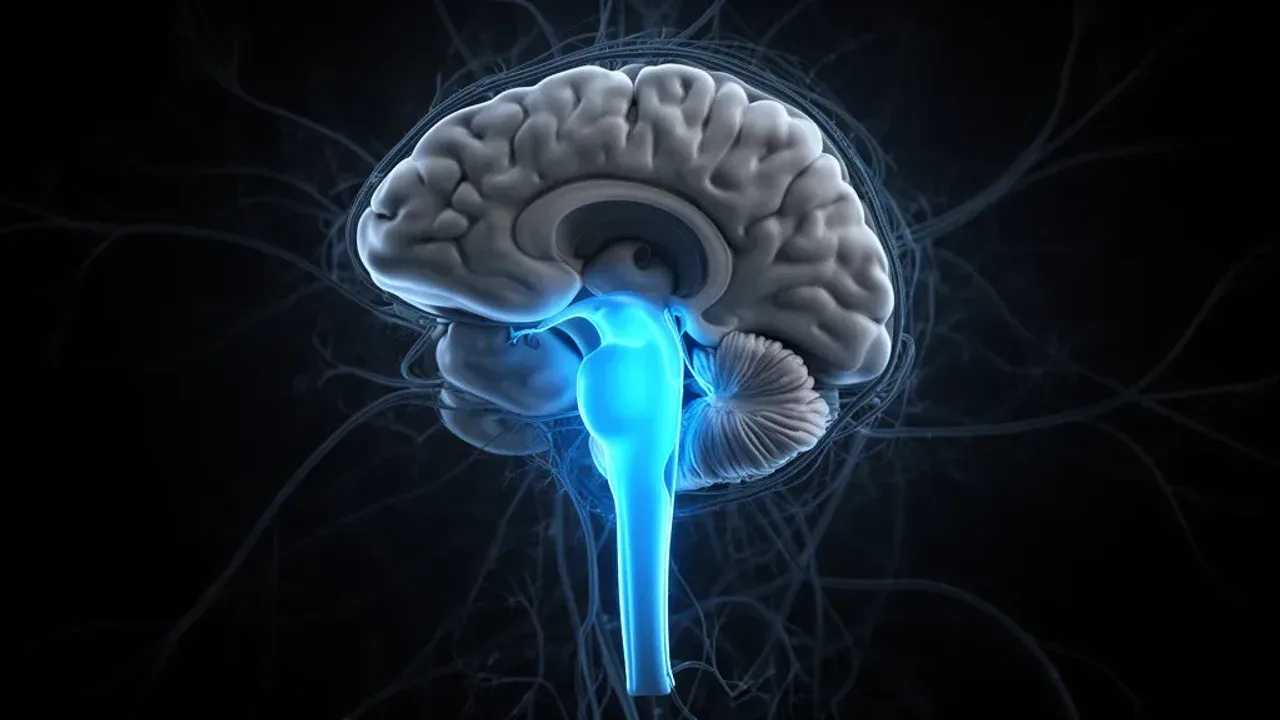 AI-generated image
Key Takeaways:
- Locked-in syndrome is a condition of near-total paralysis where mental awareness remains completely intact.
- The primary cause is damage to the brainstem, which disconnects motor signals from the rest of the body.
- Individuals typically retain the ability to move their eyes or blink as a primary method of communication.
- The condition is medically distinct from a vegetative state or coma due to the presence of full consciousness.
This condition typically arises from damage to specific areas of the brainstem, specifically the ventral pons. This injury disrupts the motor pathways that transmit commands from the brain to the body. While the individual remains alert and aware of their surroundings, they lose the ability to speak or move their limbs. Communication is often limited to eye movements or blinking because these specific functions frequently remain unaffected by the neurological damage. Understanding the locked in meaning is essential for medical professionals and caregivers. They must distinguish this state from other forms of profound neurological impairment. By recognizing the presence of intact cognition, providers can implement appropriate communication strategies. Respect the individual's awareness. It is a complex process.
Usage of the Term
The term is used clinically to describe a patient who is physically immobile but cognitively present. It is often employed in medical literature to differentiate between patients who are unresponsive due to brain death and those who are simply unable to move their muscles. Understanding the locked in meaning is vital for providing appropriate care and communication support.
- The patient was diagnosed with locked-in syndrome, leaving them unable to move despite being fully conscious.
- Medical professionals rely on eye-tracking technology to assist individuals living with the locked-in state.
- Caregivers use specialized boards to interpret eye movements, creating a bridge for communication.
- The condition requires a multidisciplinary team to manage long-term physical and cognitive needs.
Comparison of Neurological States
Differentiating between various states of consciousness is a fundamental aspect of neurology. The table below illustrates how locked-in syndrome differs from other states.
| Condition | Consciousness | Motor Ability |
|---|---|---|
| Locked-in Syndrome | Fully Aware | Paralysis (except eyes) |
| Vegetative State | Unaware | Reflexive movements only |
| Coma | Unconscious | None |
Recommended Care Steps
- Establish a reliable communication system using eye blinks or specialized assistive technology.
- Ensure the environment is monitored to provide consistent sensory and cognitive engagement.
- Maintain regular neurological evaluations to track the patient's status and responsiveness.
- Implement physical therapy to prevent contractures and maintain muscle health where possible.
- Provide emotional and psychological support to assist with the challenges of the condition.
Related Terms
- Pseudocoma
- De-efferented state
- Ventral pontine syndrome
Distinctions from Other Conditions
Locked-in syndrome is frequently confused with a vegetative state. These conditions are fundamentally different. In a vegetative state, the individual lacks awareness and cognitive function. A person in a locked-in state retains full mental clarity and responsiveness to their environment. It is also distinct from coma. Those with the condition maintain normal sleep-wake cycles and consciousness. Awareness persists. It is a critical distinction for families and medical teams to make when planning long-term care.
Frequently Asked Questions
Is a person with locked-in syndrome unconscious?
No, individuals with this condition are fully conscious and aware of their surroundings. They retain their ability to think, reason, and perceive the world.
Can someone with locked-in syndrome communicate?
Communication is possible, typically through eye movements or blinking patterns. Specialized assistive devices are often used to help individuals express their needs.
What causes the locked-in state?
The condition is generally caused by damage to the brainstem. This often results from a stroke or other neurological injuries. It creates a state of motor paralysis.
How is the condition diagnosed?
Diagnosis involves clinical evaluation by medical professionals. Doctors look for the preservation of vertical eye movements and blinking, which are often spared.
Does the condition improve over time?
Recovery depends on the underlying cause and the extent of the specific brainstem damage. Many remain in the state long-term and require ongoing support.
Locked-in syndrome represents a state of total motor paralysis where the individual remains fully cognizant. Always prioritize the establishment of a functional communication method to ensure the person's needs are met.
Share: