A measurement of 50 inches is equal to 4 feet 2 inches, or 127 centimeters. Many people search for how big is 50 inches when they are trying to determine the physical footprint of electronic devices or household objects. Whether you are buying a new television or planning a custom furniture layout, understanding this specific dimension is essential. It is a standard size.
MeasurementsOctober 5, 2026
How Big Is 50 Inches? 4 Feet 2 Inches Explained
 AI-generated image
Key Takeaways:
- A 50-inch length equals 127 centimeters or 1.27 meters.
- This measurement defines the diagonal screen size for most displays.
- Always measure from corner to corner for maximum accuracy.
- Bezels and frame designs change the final physical width of a device.
Physical Dimensions of a 50-Inch Measurement
Translating 50 inches into different units helps visualize the scale of an object. Whether you are working with imperial or metric systems, these conversions provide a clear reference. Knowing how big is 50 inches helps with precise space planning in home environments. It is a common benchmark in consumer electronics.
| Unit System | Equivalent Value |
|---|---|
| Inches | 50 in |
| Feet and Inches | 4 ft 2 in |
| Centimeters | 127 cm |
| Meters | 1.27 m |
The conversion process is straightforward. One foot contains 12 inches, so 50 inches divided by 12 equals 4 feet with a remainder of 2 inches. In the metric system, one inch is exactly 2.54 centimeters. Multiplying 50 by 2.54 yields 127 centimeters. This consistency allows for accurate planning regardless of the measurement system used in your region.
Practical Applications and Measurements
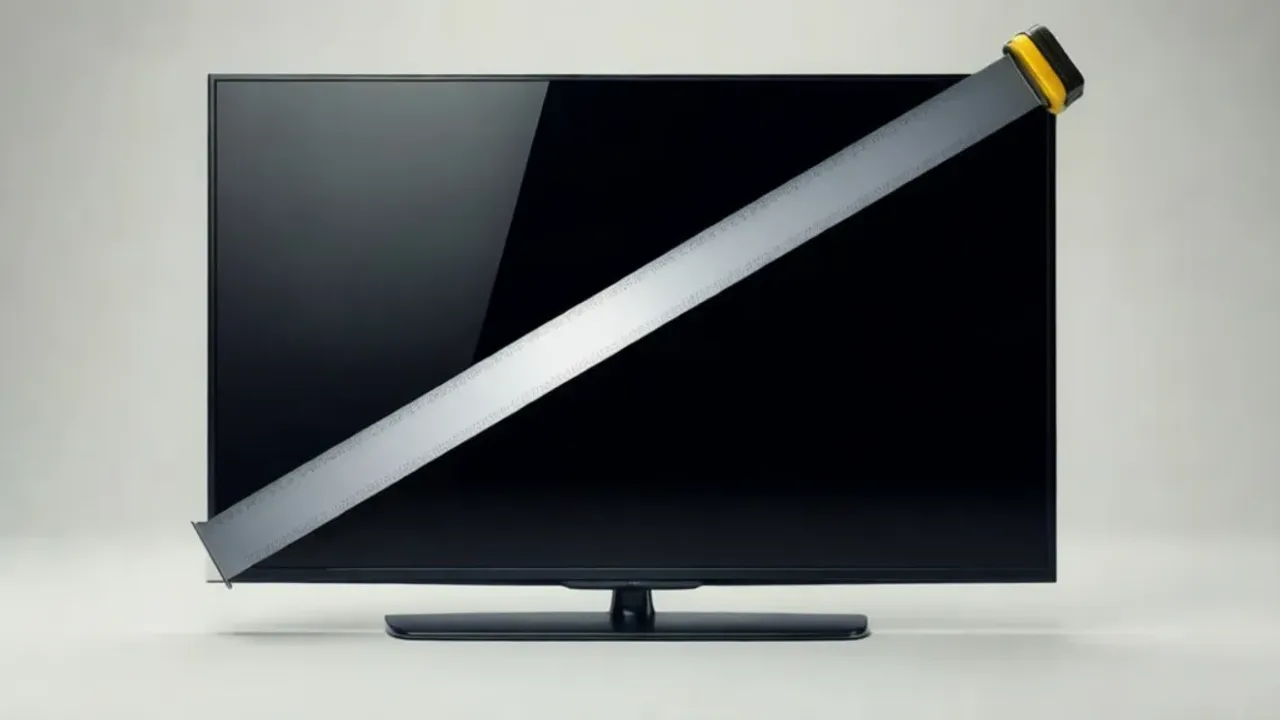
The 50-inch figure represents the diagonal distance across a display panel. Because screens are rectangular, the diagonal measurement is the industry standard. It provides a single number that categorizes the scale of the device. Follow these steps for an accurate reading:
- Place the end of the tape measure at the top corner of the screen.
- Extend the tape diagonally to the opposite bottom corner.
- Exclude the outer frame or bezel from your final reading.
- Verify the measurement against the manufacturer's specifications.
Device width depends heavily on the aspect ratio, such as the 16:9 standard found in most televisions. Because of this, two 50-inch displays might have slightly different physical footprints. Always confirm how big is 50 inches relative to your specific furniture configuration before making a purchase. It is simple.
Visualizing the Scale in a Living Space
When you consider a 50-inch diagonal screen, it is helpful to think about the viewing distance. A screen of this size is large enough to provide an immersive experience but compact enough for most standard living rooms. Placing a 50-inch television in a small room can be overwhelming, while in a large space, it might seem small.
To visualize the size, imagine an object that is slightly longer than four feet. This is roughly the width of a standard desk or a small bookshelf. When mounted on a wall, a 50-inch screen occupies a significant amount of visual space. It is often the focal point of an interior design layout.
Factors Influencing Perceived Size
- Bezel thickness: A thinner bezel makes the screen appear larger.
- Mounting height: Eye-level mounting impacts how large the screen feels.
- Wall color: Darker walls can make a screen blend in, while light walls provide contrast.
- Surrounding furniture: Large media consoles can make a 50-inch screen look smaller.
Technical Considerations for 50-Inch Displays
In the world of technology, 50 inches is a mid-range size. It is a favorite for those who want high-definition quality without the massive footprint of 65-inch or 75-inch models. Manufacturers design these units to fit into standard living environments. Understanding the physical dimensions ensures that the hardware fits within the intended alcove or wall mount.
It is important to differentiate between the screen size and the total product size. The diagonal 50-inch measurement only covers the active glass area. The plastic or metal casing adds several inches to both the width and the height. If you are fitting a television into a tight cabinet, you must measure the outer dimensions of the entire frame, not just the screen.
Frequently Asked Questions
How do I convert 50 inches to centimeters?
To convert 50 inches to centimeters, simply multiply the inches by 2.54. This calculation results in exactly 127 centimeters for the total length of the diagonal.
Is the screen measured by width or height?
No. Industrial standards dictate that televisions and monitors are measured by the diagonal distance from one corner to the opposite corner. This excludes the frame.
What should I prepare before measuring a screen?
Use a professional-grade flexible tape measure. Ensure the display panel is clean and clear of any obstructions so you can reach the corners easily.
Does the bezel affect the 50-inch size?
Yes. The bezel is not part of the product specification for the screen size. If you include it, your measurement will be larger than the official size.
Where is this measurement most common?
It is the standard size for televisions and computer monitors. It is widely used in residential and office settings.
A 50-inch length is 4 feet 2 inches or 127 centimeters. Always measure the diagonal distance to get an accurate reading for your specific display device.
Share: