One hundred kilograms is equal to 220.46 pounds. Understanding how heavy is 100 kg is essential for logistics, sports, and general scientific measurement, as it represents a significant mass in daily life. Whether you are moving heavy furniture, calculating cargo requirements, or tracking fitness progress, knowing exactly what this mass entails is crucial for safety and planning.
MeasurementsAugust 23, 2026
How Heavy Is 100 kg? 220.46 Pounds Explained
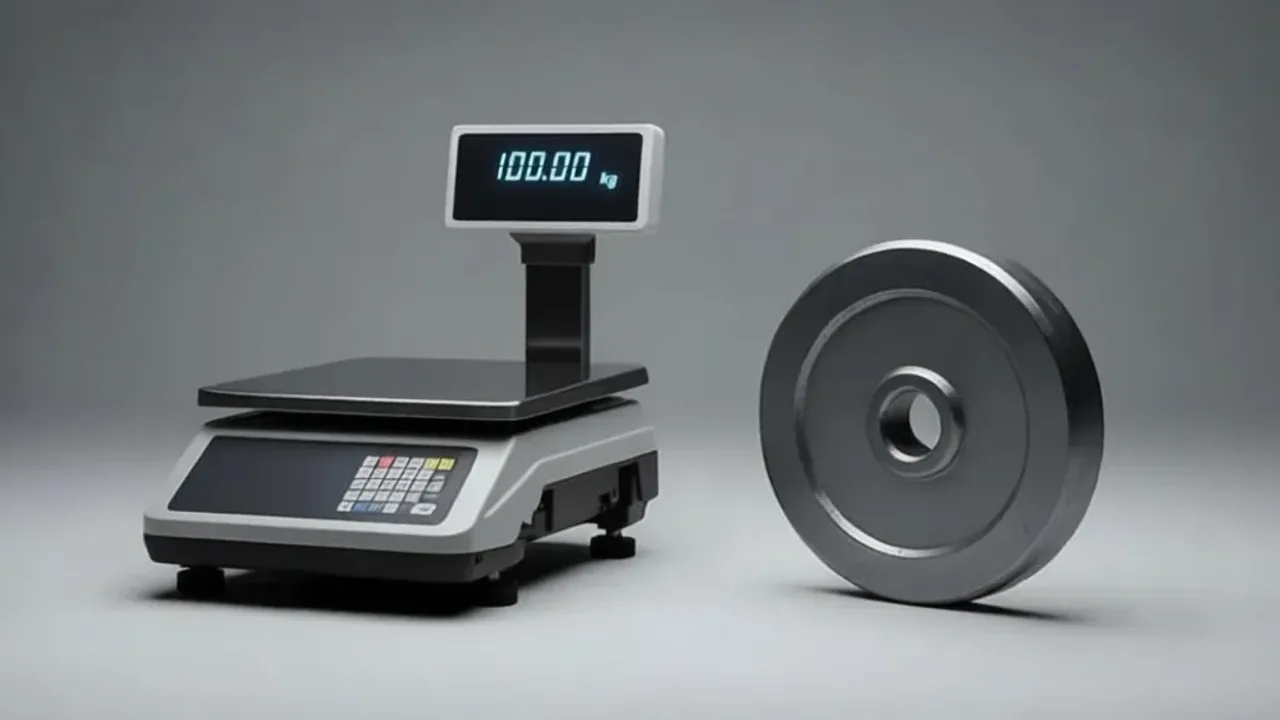 AI-generated image
Key Takeaways:
- 100 kilograms equals 220.46 pounds or 100,000 grams.
- The kilogram is the base unit of mass in the International System of Units.
- Always use mechanical assistance for heavy loads to prevent injury.
- This mass is comparable to a large household appliance or a professional gym set.
Mass Conversion Overview
When someone asks how heavy is 100 kg, they usually need a conversion into familiar units. The following table illustrates these relationships clearly.
| Unit | Measurement for 100 kg |
|---|---|
| Pounds | 220.46 lbs |
| Grams | 100,000 g |
| Ounces | 3,527.4 oz |
| Stones | 15.75 st |
Standard Measurements and Logistics
The kilogram is the primary unit of mass in the International System of Units. This standard ensures consistent calculations globally. When dealing with a mass of 100 kg, consider the physical demands. Safety comes first.
The standard kilogram is defined by the physical properties of nature. Because it is a base unit, it remains constant across all applications. When you measure something at 100 kg, you are dealing with a substantial amount of matter. This is why industrial scales are calibrated with such precision. It ensures that 100 kg of cargo is exactly the same weight regardless of the location.
Safety Procedures for Heavy Loads
Handling 100 kg manually is dangerous. The human body is not designed to lift such a weight without aid. Most professional guidelines suggest that any object over 20 to 25 kg requires special handling. When you encounter a load of 100 kg, you must use proper equipment. Ignoring these safety measures can lead to severe back injuries, muscle strains, or accidental drops that damage property.
Steps for handling heavy loads:
- Assess the object before moving.
- Use a dolly, cart, or hydraulic hoist.
- Clear the path of obstacles.
- Wear protective footwear.
Practical Applications in Daily Life
It is helpful to visualize what this mass looks like. A standard household refrigerator can easily weigh around 100 kg. If you have ever tried to move one, you know exactly how difficult it is to maneuver. In a gym setting, a heavy-duty barbell set with a selection of iron plates can quickly reach this weight. It is a common benchmark for strength training, representing a significant milestone for many athletes.
Recommended practices for management:
- Use proper lifting techniques if mechanical help is unavailable.
- Coordinate help from others to distribute the weight.
- Verify equipment weight capacity before loading.
- Use straps to secure the object to a transport device.
The weight is also relevant in logistics. Shipping companies often calculate costs based on weight tiers. Reaching 100 kg often moves a shipment into a different class of freight, which can change how it is handled and stored. Knowing the exact weight helps in selecting the right vehicle and ensuring that the load does not exceed the vehicle's maximum capacity.
The Physics of 100 Kilograms
Mass and weight are often confused, but they are distinct concepts. Mass is the amount of matter in an object, measured in kilograms. Weight is the force exerted by gravity on that mass. On Earth, a mass of 100 kg exerts a force of approximately 980.7 Newtons. While we use the term "weight" in daily life, we are technically referring to the gravitational pull on that 100 kg mass.
Understanding this distinction helps in scientific and engineering contexts. If you were on the Moon, a 100 kg object would still have a mass of 100 kg, but it would feel much lighter due to the lower gravity. On Earth, however, 100 kg remains a constant, heavy challenge that requires respect and the right tools.
Frequently Asked Questions
Is 100 kilograms considered heavy?
Yes. It exceeds the typical lifting capacity of an average person. Mechanical equipment is required to move it safely without risking injury.
How do I convert kilograms to pounds?
Multiply the kilograms by 2.2046. For 100 kg, this equals 220.46 pounds.
What is the relationship between kilograms and grams?
One kilogram contains 1,000 grams. Thus, 100 kg equals 100,000 grams. This is a common conversion used in scientific and culinary precision.
Why is 100 kilograms a common benchmark?
It is a round number in the metric system. It serves as a clear reference for large appliances, heavy-duty machinery, and athletic milestones.
Can I lift 100 kilograms by myself?
No. Even for trained professionals, lifting 100 kg manually is extremely risky and generally discouraged. Always use a hoist or a team of people.
Conclusion
One hundred kilograms equals 220.46 pounds and requires careful handling due to its substantial mass. Always use mechanical aids to maintain safety and prevent damage to yourself or your equipment.
Share: