A length of 7 centimeters is equal to 2.76 inches. Many people frequently search for the answer to "how long is 7 cm" because they need to convert metric values into imperial units for various tasks, ranging from home improvement projects to academic assignments. Understanding how these units relate to one another is a fundamental skill in measurement.
MeasurementsOctober 23, 2026
7 cm Is 2.76 Inches: A Simple Conversion Guide
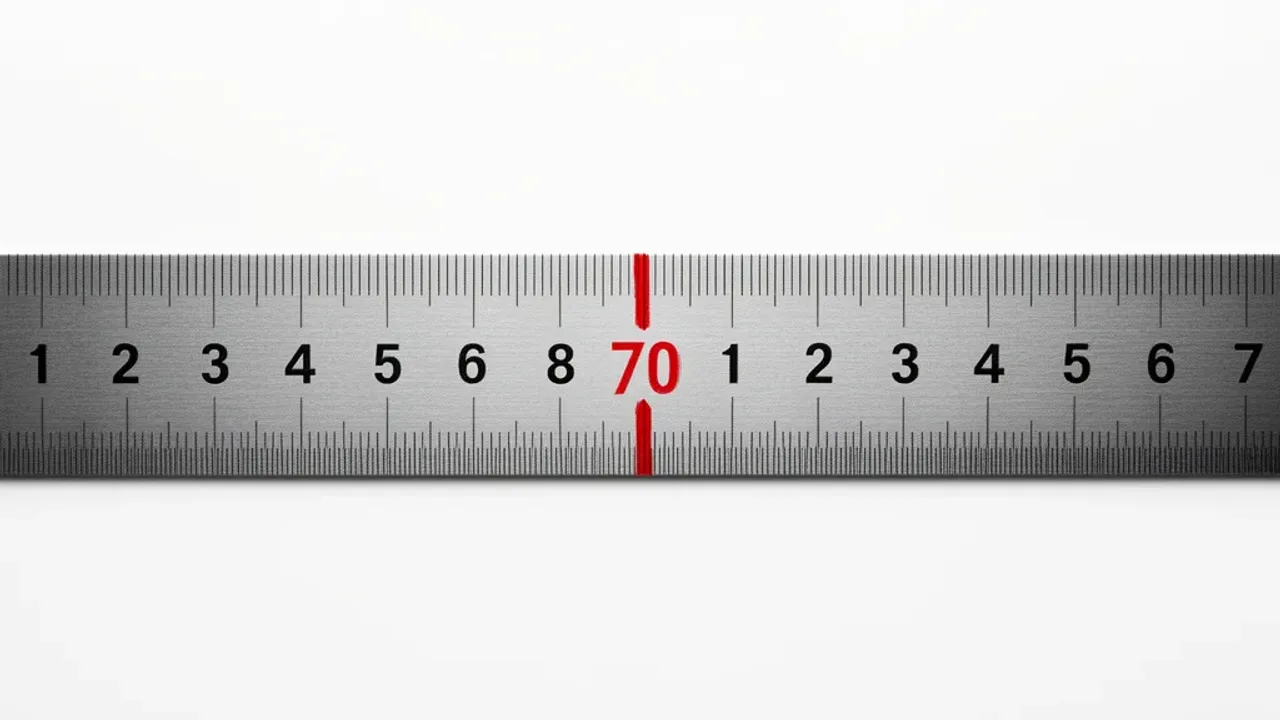 AI-generated image
Key Takeaways:
- 7 centimeters equals exactly 2.76 inches.
- This length is equivalent to 0.07 meters.
- Using a metric ruler is the most accurate way to measure this distance.
- Always verify your unit of measurement before starting any technical project.
Understanding the Metric System
The centimeter is a unit of length in the metric system, which is defined as one-hundredth of a meter. This measurement relies on the international standard for the decimal-based system of units used for scientific and everyday calculations. Because the metric system is based on powers of ten, moving between units is inherently logical and straightforward. When a user asks "how long is 7 cm", they are typically looking for a quick reference to ensure their physical measurements match their target dimensions in a system they may not use as frequently.
The metric system provides a universal language for measurement. Whether you are in a laboratory or a workshop, 7 centimeters will always represent the same physical distance. This consistency is the backbone of modern engineering and manufacturing. Without this standardized approach, global trade and design would be significantly more difficult to manage.
Conversion Table and Values
Converting between units can sometimes be confusing, but having a clear reference table makes the process much faster. The following table provides the most common conversions for a length of 7 centimeters.
| Unit | Conversion Factor | Result for 7 cm |
|---|---|---|
| Millimeters | 10 mm per cm | 70 mm |
| Inches | 0.3937 in per cm | 2.76 in |
| Meters | 0.01 m per cm | 0.07 m |
| Feet | 0.0328 ft per cm | 0.23 ft |
Visualizing and Measuring 7 Centimeters
Visualizing 7 centimeters can be simplified by comparing it to common objects found around the home or office. Most modern smartphones have a width that often falls near this range, providing a convenient reference point for those without a ruler on hand. If you are working on a project that requires high precision, relying on a physical tool is always better than estimation.
Accuracy is essential. To measure effectively, follow these professional steps:
- Place the zero mark of your measuring tool at the exact start point of the object.
- Ensure the edge of the tool is perfectly parallel to the length being measured to avoid parallax errors.
- Observe the exact point where the object ends on the scale.
- Confirm the measurement matches 70 millimeters to ensure total precision.
It is important to remember that even small deviations can accumulate in larger projects. Taking the time to verify your measurements at the start will save you from potential rework later on. Precision matters.
Common Applications for 7 Centimeters
In the world of design and construction, 7 centimeters is a very common dimension. It is often seen in the thickness of structural materials, the spacing of hardware, or the length of small components. Understanding how long is 7 cm allows for better planning when buying materials or designing custom parts.
Consider these practical tips when working with this measurement:
- Check your ruler for damage to the zero mark, as this can skew your readings.
- If you are using a digital measuring device, ensure it is set to the correct mode (metric vs. imperial).
- When marking cuts, use a sharp lead pencil to maintain the accuracy of the 70 mm line.
- Always measure twice before making a permanent cut or adjustment.
The Importance of Standardized Measurements
Standardization is the bedrock of modern industry. By using the meter as the base unit for length, scientists and engineers across the globe can collaborate without the need for complex conversions. The centimeter, being a manageable fraction of that meter, is perfect for everyday use. It is small enough to be precise but large enough to be easily readable on a standard tool.
Furthermore, the relationship between centimeters and millimeters is constant. Since 1 centimeter is composed of 10 millimeters, the conversion is essentially a matter of shifting a decimal point. This simplicity reduces the likelihood of human error during calculations. Whether you are a student or a professional, mastering these basic conversions is a valuable asset.
Frequently Asked Questions
How many millimeters are in 7 centimeters?
There are exactly 70 millimeters in 7 centimeters. Since each centimeter contains 10 millimeters, simple multiplication by 10 provides the exact value. This is one of the most common conversions performed in workshop settings.
Is 7 centimeters longer than 3 inches?
No, 7 centimeters is slightly shorter than 3 inches. Because 7 centimeters converts to approximately 2.76 inches, it remains smaller than a 3-inch length. Knowing this difference helps in selecting the right fasteners or materials.
What is the metric definition of a centimeter?
A centimeter is defined as one-hundredth of a meter. It is an internationally recognized standard unit of length used globally for both scientific and daily measurements. It serves as a bridge between the very small millimeter and the larger meter.
How do I convert 7 centimeters to meters?
You convert centimeters to meters by dividing the number of centimeters by 100. This calculation results in 0.07 meters. It is a quick way to scale up your measurements for larger construction or architectural plans.
Why is it important to use a standard ruler?
Using a standard, high-quality ruler ensures that your measurements remain consistent across different projects. Proper calibration prevents errors when working with small dimensions like 70 mm. Always check your tools for wear and tear to maintain accuracy.
Confirming the precise length of 7 centimeters helps maintain accuracy in any measurement task. Always use a calibrated tool and verify your units to ensure your final results meet the required specifications for your project.
Share: