The height of 18 meters is precisely 59.0551 feet. For those asking how tall is 18 meters, the conversion to imperial units remains the most common point of interest for engineers, construction professionals, and students alike. Understanding this measurement is essential when navigating international building standards or planning large-scale projects.
MeasurementsSeptember 11, 2026
18 Meters Is 59.0551 Feet: A Complete Conversion Guide
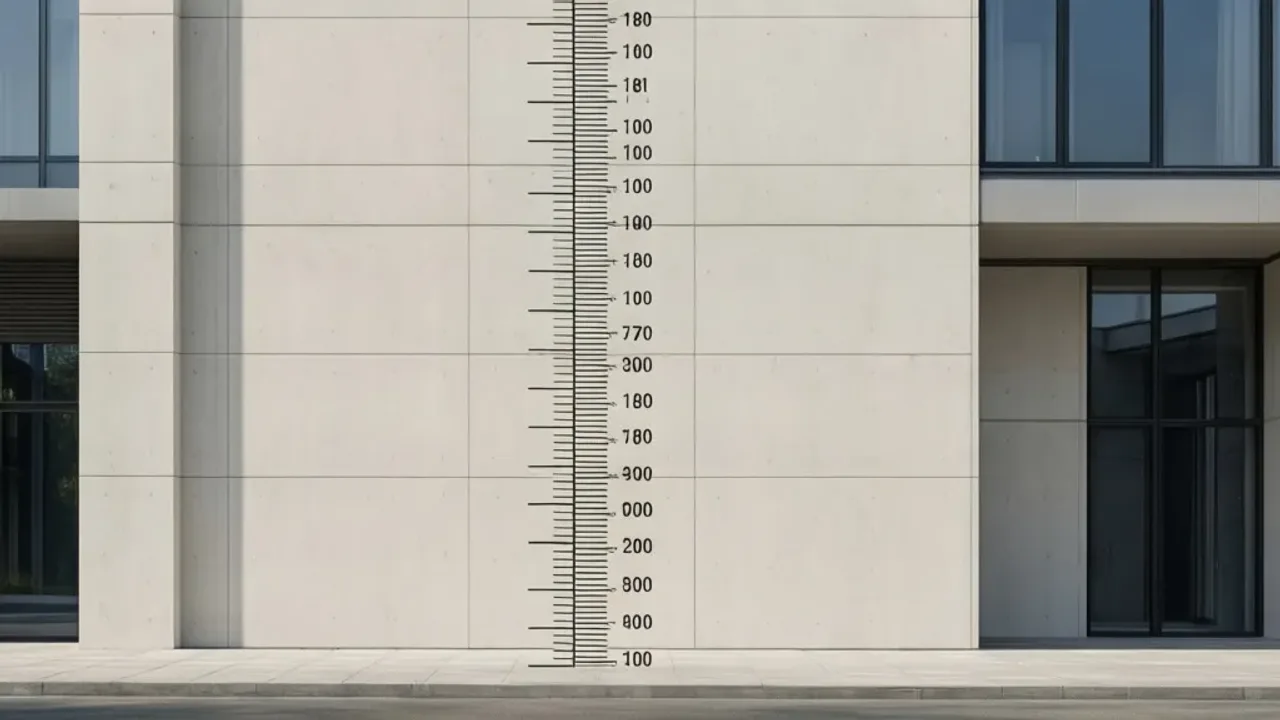 AI-generated image
Key Takeaways:
- 18 meters equals 59.0551 feet or 708.661 inches.
- This measurement is equal to 1,800 centimeters or 18,000 millimeters.
- Use the factor 3.28084 for accurate conversions.
- Visualizing scale assists in structural planning.
Converting 18 Meters to Other Units
Precision is vital in engineering and architecture. Understanding how tall is 18 meters requires a clear view of how metric values translate into the imperial system. Because the meter is the base unit of length in the International System of Units (SI), it provides a stable foundation for all scientific and technical measurements. By definition, one meter is the length of the path traveled by light in a vacuum during a time interval of 1/299,792,458 of a second.
When working with international specifications, you will frequently need to move between systems. The following table provides a breakdown of how this specific length translates into various standard units used in both the metric and imperial systems. Keeping these conversions handy prevents errors in design and construction.
| System | Unit | Equivalent Value |
|---|---|---|
| Metric | Centimeters | 1,800 cm |
| Metric | Millimeters | 18,000 mm |
| Imperial | Feet | 59.0551 ft |
| Imperial | Inches | 708.661 in |
| Imperial | Yards | 19.685 yd |
Visualizing the Scale of 18 Meters
Visual comparisons help grasp specific dimensions in the real world. If a designer is planning a project or simply needs to grasp the size, they should consider these practical examples. Understanding scale is simple.
- Three standard school buses parked end-to-end measure approximately 18 meters.
- This height matches a typical six-story building, depending on ceiling height.
- Professional basketball courts are 15 meters wide. This height is slightly longer.
- Many mature deciduous trees reach this height after several decades of growth.
To ensure accuracy during technical calculations, follow these steps:
- Verify your required unit system before starting.
- Apply the 3.28084 conversion factor for feet.
- Check the result against standard reference objects.
- Document all conversions in your project file.
The Importance of Precision in Measurement
Engineering projects often rely on exact figures. When someone asks how tall is 18 meters, they are usually looking for more than just a rough estimate. Whether you are dealing with electrical clearance zones, structural spans, or material logistics, the difference between 59 feet and 60 feet can be significant in a high-tolerance environment.
In modern construction, the reliance on the metric system is global. However, many legacy systems in the United States still utilize imperial units. This creates a necessity for dual-unit literacy. When you convert 18 meters, you are dealing with a distance that exceeds the length of most standard residential rooms. It is a substantial measurement that requires careful consideration of structural integrity and safety standards if it represents a vertical load or a clearance height.
Applications in Modern Engineering
In the field of electrical engineering, 18 meters is a common clearance height for high-voltage power lines. Ensuring that structures remain below this limit—or that lines are properly suspended above it—is a critical safety requirement. Similarly, in telecommunications, antenna masts often reach this height to provide optimal signal coverage while remaining within zoning regulations for mid-rise infrastructure.
Furthermore, in the shipping and logistics industry, 18 meters can represent the length of specialized transport vehicles or the height of stacked cargo in high-bay warehouses. Understanding this measurement allows managers to optimize storage space and transport routes effectively. Precision is necessary.
Frequently Asked Questions
How do I calculate feet from 18 meters?
To convert from meters to feet, you multiply the meter value by 3.28084. Multiplying 18 by 3.28084 results in exactly 59.0551 feet.
Is 18 meters a standardized height for buildings?
It is a common height for mid-rise structures, such as apartment complexes or office buildings, which typically range from five to six stories. It serves as a frequent benchmark in technical drawings and local zoning codes regarding height restrictions.
What is the difference between 18 meters and 18,000 millimeters?
There is no actual difference in length between these two values. They are simply different units of the same measurement, with millimeters providing a more granular view for precise engineering tasks where even a millimeter of variance could impact the fit of a component.
Can 18 meters be converted to yards?
Yes. To perform this conversion, divide the 18 meters by 0.9144. This calculation results in a value of approximately 19.685 yards, which is often used in landscaping or large-scale ground measurements.
Why is 18 meters significant in industrial construction?
This height is often used to define the reach of heavy equipment, such as cranes, or the vertical limits for specific industrial installations. It provides a clear spatial reference for engineers designing safe working zones to prevent accidental contact with overhead obstacles.
Summary of Measurements
Researching this topic confirms that 18 meters is exactly 59.0551 feet. Always use the 3.28084 conversion factor to ensure your structural calculations remain accurate and safe.
Share: