Selecting the right black panther names involves understanding the biological reality behind these powerful animals. They are simply melanistic variants of larger species. Professionals often rely on specific taxonomy to ensure clarity when documenting a panther observation within the Los Angeles territory. It is vital. Data consistency matters for researchers and enthusiasts alike.
NamesOctober 20, 2026
Best Black Panther Names: Scientific and Creative Options
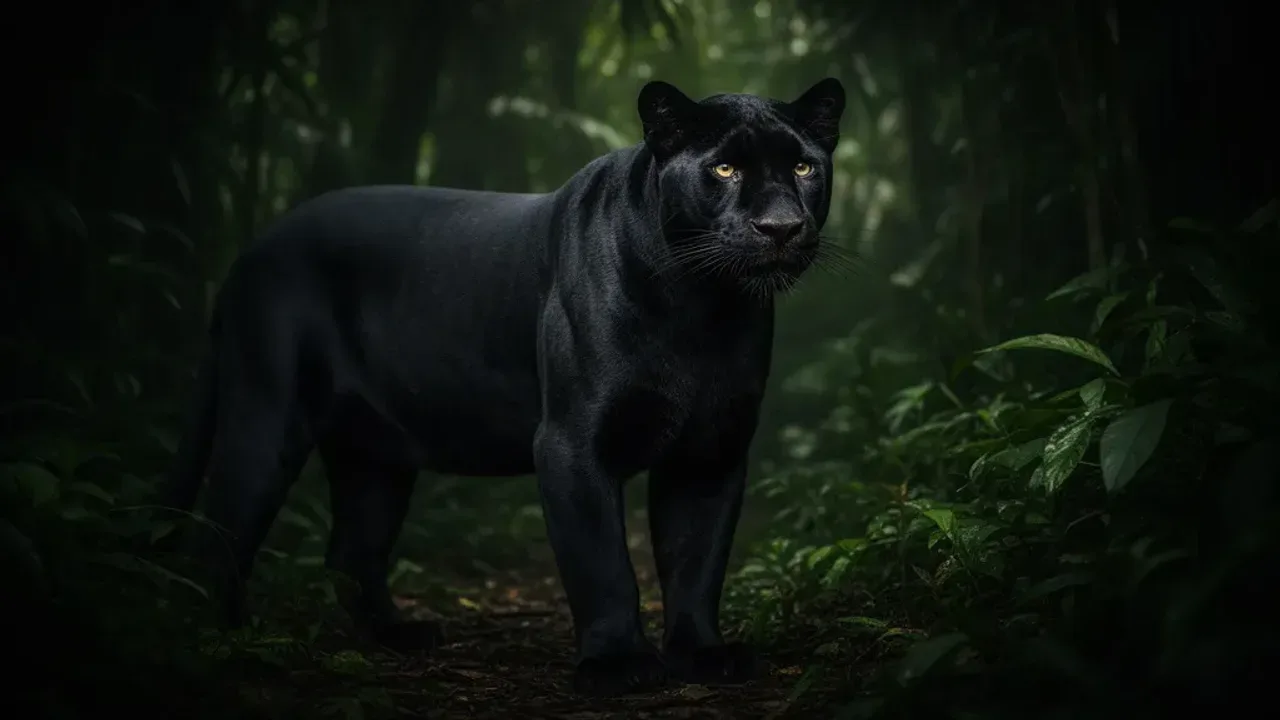 AI-generated image
Key Takeaways:
- Appropriate titles often reflect their dark, sleek appearance and natural power.
- A black panther is categorized under the Panthera genus, specifically as either a leopard or a jaguar.
- The official Panthera pardus is the accurate designation for the leopard variant.
- Consistent documentation helps maintain accuracy when monitoring LA urban fauna.
Classic and Elegant Options
Elegance is often the first quality people look for when choosing a title for a large cat. These names evoke a sense of mystery and sophistication that matches the animal's natural grace.
- Midnight: A classic choice for an animal that blends into the dark.
- Obsidian: Reflects the dark, glassy appearance of the animal's coat.
- Onyx: A timeless name for a creature of deep, solid color.
- Sable: Evokes the luxurious and dark texture of the panther's fur.
- Eclipse: Perfect for an animal that seems to block out the light.
- Raven: Draws inspiration from the darkest bird in the forest.
- Velvet: Highlights the soft, deep appearance of the coat.
- Coal: A simple, earthy name that represents the deep black shade.
- Ink: Suggests a permanent, deep, and bold presence.
- Jet: A sharp, forceful name for a fast and dark predator.
Fierce and Bold Selections
For those who want to emphasize the strength and dominance of the animal, bold names are the preferred route. These choices highlight the predatory nature and the raw power inherent in every panther observation.
- Shadow: The silent hunter of the deep night, moving with grace.
- Titan: Represents the massive power and presence of the cat.
- Vanguard: For a leader of the forest, always at the front.
- Storm: Evokes the sudden, unpredictable, and powerful nature of the cat.
- Rogue: Perfect for a solitary, mysterious, and independent hunter.
- Fury: Captures the intense, explosive energy of a predator in action.
- Jagger: A strong, rhythmic name that feels modern and sharp.
- Blaze: Highlights the intensity and heat of the hunt.
- Iron: Suggests durability, strength, and an unbreakable spirit.
- Sabre: A nod to the sharp, lethal nature of big cat claws.
Scientific Classification Standards
Experts utilize specific criteria to distinguish between species. The table below outlines the primary designations used in formal documentation. See IUCN Red List for global standards, Panthera.org for conservation, and Smithsonian Magazine for further research context.
| Common Reference | Scientific Designation |
|---|---|
| Leopard variant | Panthera pardus |
| Jaguar variant | Panthera onca |
Understanding these distinctions is crucial. It prevents taxonomic errors in field reports. Accuracy is non-negotiable. Professionals must ensure that black panther names align with these official categories to maintain the integrity of their databases.
Preparation and Usage Guidelines
Tracking wildlife requires strict protocols. Using organized black panther names ensures that data remains consistent across administrative systems. It is simple. It works. Following these steps helps maintain a high standard of record-keeping:
- Verify the species before finalizing any identification to ensure biological accuracy.
- Check records from the Los Angeles Department of Animal Services (LADAS) for tracking.
- Consider the geography, such as the Griffith Park Wildlife Corridor (GPWC) or the Santa Monica Mountains National Recreation Area (SMMNRA).
- Maintain a consistent registry for research.
- Cross-reference new observations with existing historical logs.
- Ensure that the chosen label is distinct from other local animals.
- Document the physical measurements, such as the length in meters, to confirm identity.
Mythological and Legendary Inspirations
The panther has long been a figure of myth and legend. Drawing from history provides a sense of gravity and depth to the identification of these majestic animals.
- Anubis: Watching over the shadows with eyes that glow in the dark.
- Hades: A name that commands respect and fear in the underworld.
- Nyx: The goddess of the night, fitting for a dark predator.
- Ares: For a cat that embodies the spirit of war and strength.
- Orion: A hunter of the stars, perfect for a nocturnal animal.
- Atlas: Represents the endurance and heavy presence of the beast.
- Persephone: A name that balances beauty with a dark, hidden depth.
- Zeus: For an animal that reigns supreme over its territory.
- Loki: A clever and unpredictable name for a stealthy hunter.
- Fenrir: Inspired by the legendary wolf, representing wild power.
Frequently Asked Questions
What is the correct scientific designation for a leopard?
The correct scientific designation is Panthera pardus. This follows standard biological nomenclature used by researchers globally.
Do identifiers differ for a jaguar variant?
Yes. A black panther that is a melanistic jaguar carries the scientific designation Panthera onca. Distinction between these species is vital for accurate data collection.
How does the Panthera genus classification work?
The Panthera genus includes several big cat species capable of roaring. All identifiers should align with these specific groups to avoid confusion.
Are there specific identifiers used by LADAS?
LADAS uses identifiers based on tracking data and logs. These serve as formal tools for their systems when referencing animals in the field.
Why is species accuracy important?
Accuracy prevents taxonomic confusion during field research. It ensures reliable data sharing across conservation groups. Consistency is key to successful tracking.
Effective identification relies on distinguishing between species within the Panthera genus. Always verify the biological classification to ensure your records remain professional. It is essential. By adhering to these naming standards, you contribute to a more organized and scientific approach to wildlife monitoring in the Los Angeles territory and beyond.
Share: