The human body is a marvel of biological engineering, consisting of complex systems that work in perfect harmony. Many individuals seek to understand the specific components of our anatomy by categorizing them alphabetically. Among these, body parts that start with f represent some of the most critical structures for movement, sensory perception, and structural integrity. From the longest bone in the leg to the microscopic tissues that protect our organs, these elements are fundamental to human health.
Word ListsOctober 28, 2026
Body Parts That Start With F: A Complete Anatomical List
 AI-generated image
Key Takeaways:
- The femur is the body's strongest and longest bone, essential for locomotion.
- Forearm muscles are responsible for controlling the movement of the fingers.
- The fovea enables high-acuity central vision, crucial for tasks like reading.
- Fascia provides the necessary structural support for internal organs and muscles.
Common Anatomical Structures
When reviewing body parts that start with f, it is helpful to categorize them by function and location. This approach clarifies their roles within the skeletal or muscular systems. Below is an expanded look at the most prominent examples used in general anatomical study.
The Skeletal System
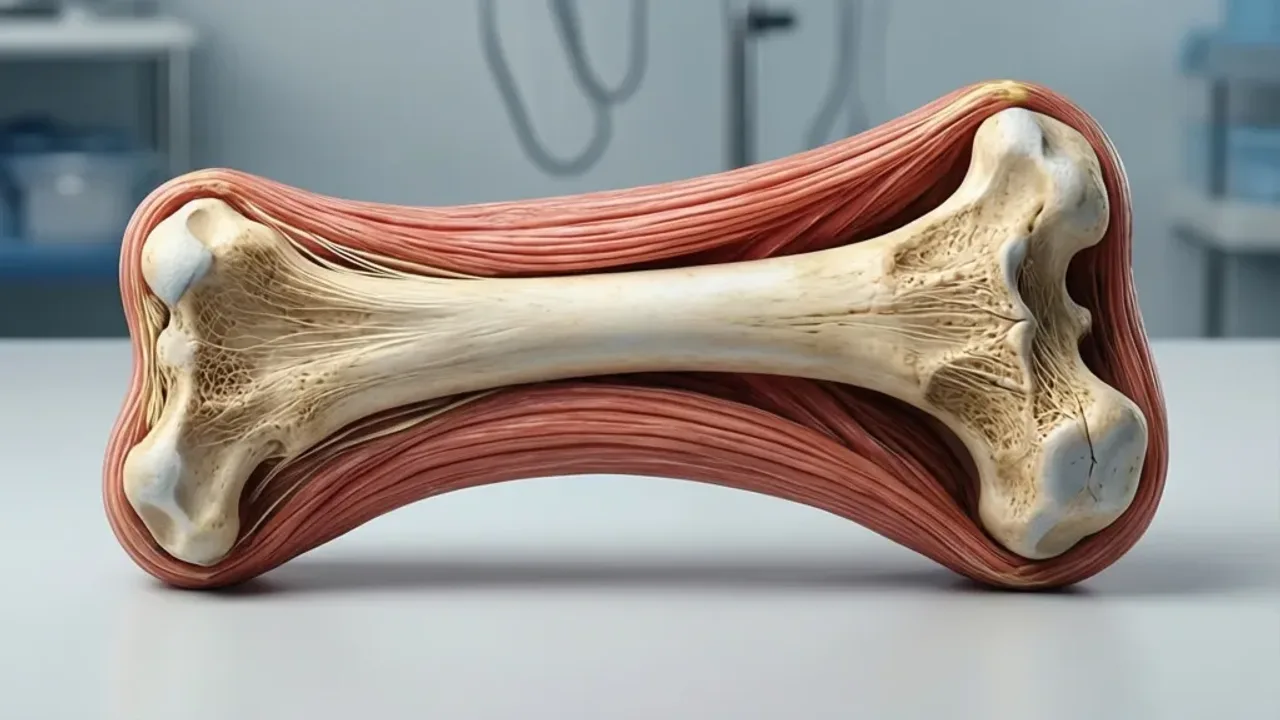
The skeletal system provides the framework for the body. Within this system, specific elements are vital for stability and weight-bearing. The femur is arguably the most famous example. As the primary bone of the thigh, it connects the hip to the knee joint. It is designed to withstand significant pressure, making it the pillar of the lower limb. Another structural component is the forehead, which is the bony area of the cranium located above the eyebrows. While it serves as a protective shield for the frontal lobe of the brain, it also provides the surface area for the skin and muscles that facilitate facial expressions.
The Muscular and Connective Tissues
Muscular and connective tissues allow for movement and maintain the body's shape. Fascia is a critical component here. It is a dense, connective tissue that wraps around muscles, nerves, and blood vessels. Think of it as a structural web that keeps every internal organ in its proper place. Without fascia, the body would lack the cohesion necessary for coordinated movement. Furthermore, the fibularis muscles, located in the lateral compartment of the lower leg, are essential for ankle stability. They prevent the ankle from rolling outward during rapid or uneven movement, which is a common concern for athletes and active individuals.
Sensory and Integumentary Components
Sensory perception is supported by specialized structures. The fovea is a small, specialized pit in the retina of the eye. It is responsible for sharp, detailed, central vision. When you focus on a specific object, the light is directed precisely onto the fovea. Additionally, the skin contains follicles. These are small, microscopic secretory cavities or sacs. They are most commonly associated with hair growth, as they house the root of each hair strand. The health of these follicles is essential for maintaining both skin integrity and hair quality throughout a person's life.
Detailed List of Anatomical Features
To ensure a clear reference, we have compiled a comprehensive list of these structures. Each entry highlights the core function of the part.
- Face: The anterior region of the head that houses the eyes, nose, and mouth.
- Feet: The terminal structures of the lower limbs that contact the ground and support weight.
- Fingers: The distal digits of the hand, capable of complex, fine-motor manipulation.
- Forehead: The superior region of the facial structure, protecting the frontal skull.
- Forearm: The anatomical segment between the elbow and the wrist, housing key flexor muscles.
- Femur: The thigh bone, which serves as the primary weight-bearing bone.
- Fascia: The fibrous connective tissue that surrounds and stabilizes internal structures.
- Fovea: The central point of the retina providing the highest visual acuity.
- Follicles: Skin structures that regulate hair growth and skin health.
- Fibularis muscles: Lateral lower leg muscles that provide ankle lateral support.
Comparison of Key Components
This table compares common body parts that start with f based on their classification and primary function. This helps in understanding the diversity of these anatomical features.
| Structure | Classification | Primary Function |
|---|---|---|
| Femur | Bone | Weight-bearing and locomotion |
| Fovea | Sensory Tissue | High-acuity central vision |
| Fascia | Connective Tissue | Structural support and protection |
| Fingers | Digits | Precision manipulation |
| Forearm | Limb Segment | Rotation and flexion |
The Role of the Forearm in Manual Dexterity
Many people assume that the fingers contain their own muscles to perform complex tasks. In reality, the fingers are moved by tendons that are attached to muscles located in the forearm. This is an elegant design solution. By placing the bulk of the muscle mass in the forearm, the hand remains lightweight and slender. This allows for the high degree of precision required for tasks like writing, playing instruments, or using tools. Understanding this relationship is a key aspect of studying body parts that start with f, as it demonstrates how different regions of the body work in tandem.
Steps for Studying Anatomy
To deepen your knowledge, follow these structured steps to ensure accuracy and long-term retention of anatomical facts. Proper study is vital for students and health enthusiasts alike.
- Define the classification for each structure: determine if it is a bone, muscle, nerve, or tissue.
- Consult verified diagrams from the Los Angeles Medical Center (LAMC) or University of California Los Angeles Health (UCLA Health).
- Map the connections between different parts, such as how the forearm influences the fingers.
- Verify findings with the Southern California Anatomical Society (SCAS) to ensure the terminology remains consistent with professional standards.
- Regularly review visual aids to reinforce the spatial relationship between these parts.
Frequently Asked Questions
What is the most significant bone among these structures?
The femur is the most significant bone in this category. It is the longest and strongest bone in the human skeletal system, acting as the primary pillar for the lower body.
Do fingers contain their own muscles?
No, fingers do not have their own muscles. They rely on tendons connected to muscles in the forearm to perform movements, which keeps the hand agile and lightweight.
What is the specific function of the fovea?
The fovea is a small pit in the retina responsible for sharp, detailed, central vision. It is the part of the eye used when performing tasks that require high visual acuity, such as reading or threading a needle.
Why is fascia important for internal support?
Fascia acts as a continuous web of connective tissue that holds every organ, muscle, and nerve in its proper place. It provides structural integrity and allows for the smooth movement of various body parts that start with f throughout the day.
How do the fibularis muscles contribute to stability?
The fibularis muscles are located in the lateral compartment of the lower leg. They are essential for stabilizing the ankle joint and preventing the ankle from rolling outward during physical activity.
Can the forehead be used to assess health?
Yes, the skin of the forehead is often used by medical professionals to assess skin elasticity and hydration levels. It is one of the most visible areas for observing physical signs of systemic health.
Final Thoughts on Anatomical Knowledge
The study of the human body is an ongoing process of discovery. By focusing on specific categories such as body parts that start with f, learners can build a solid foundation of anatomical knowledge. Whether you are a student or simply a curious individual, understanding these structures provides a better appreciation for the complexity of our physical form. Always remember to cross-reference your findings with verified medical resources to ensure the information you are using is accurate and up-to-date.
Proper identification of these anatomical components is fundamental to understanding human physiology. Always verify your findings with trusted medical resources to ensure complete accuracy in your studies.
Share: