The natural world is teeming with incredible biodiversity, and for those interested in entomology, learning about insects that start with d offers a fascinating glimpse into the complexity of nature. From the agile hunters of the pond to the industrious recyclers of the forest floor, these arthropods play critical roles in maintaining the health of our ecosystems. This guide provides a detailed look at various species, their unique traits, and their behaviors.
Word ListsOctober 7, 2026
Insects That Start With D: A Complete List and Guide
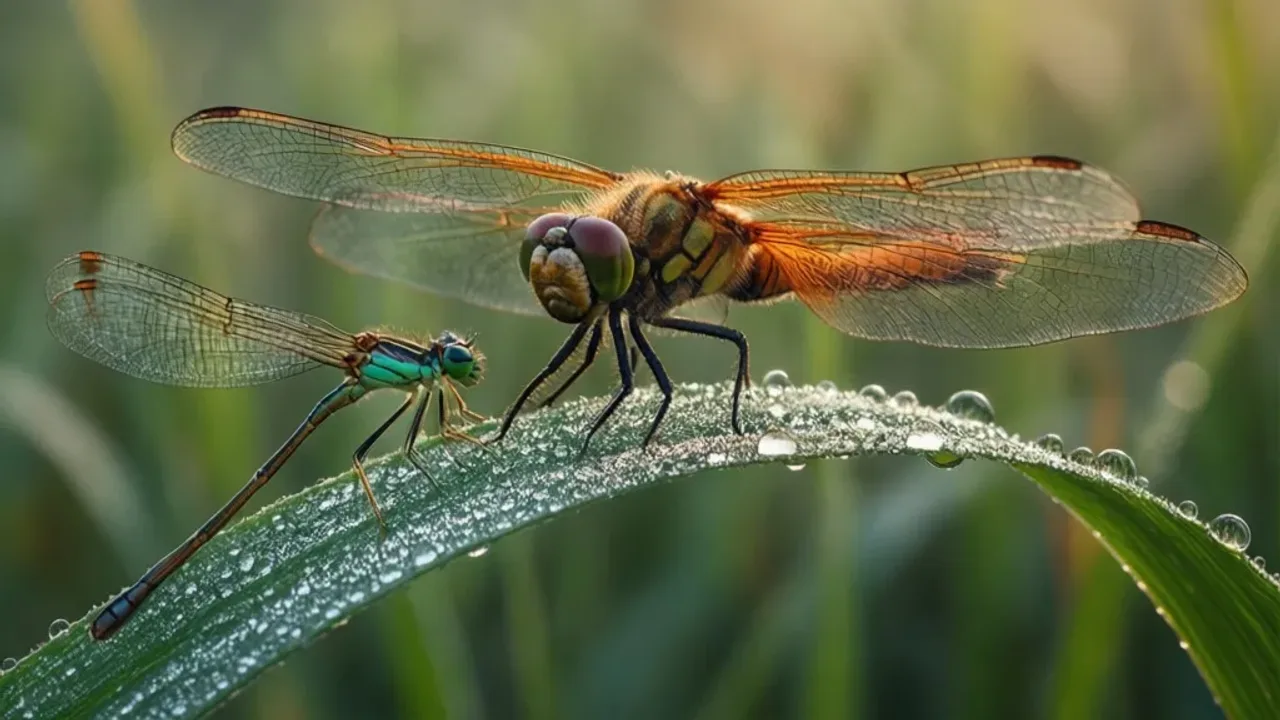 AI-generated image
Key Takeaways:
- A wide variety of species fall under the classification of insects that start with d, ranging from aquatic predators to essential decomposers.
- Many of these insects serve essential ecological roles, such as nutrient cycling, which support the health of the local environment.
- Effective insect identification relies on observing physical traits like wing patterns, body shape, and behavior during field observations.
- Some species are highly migratory, while others remain within a specific local environment throughout their life cycle.
Concise Descriptions for Field Guides
When you are out in the field, identifying insects can be a rewarding challenge. Below are descriptions of common species that you might encounter in various habitats.
- Damselfly: A slender-bodied insect with two pairs of transparent wings, often seen hovering near freshwater sources.
- Dung Beetle: A robust insect known for rolling animal waste into spherical shapes to serve as a food source and nursery.
- Dagger Moth: A moth characterized by its distinct, dark, dagger-shaped markings on its wings for camouflage.
- Digger Wasp: A solitary insect that excavates tunnels in the soil to provide a protective environment for its offspring.
- Desert Locust: A migratory insect capable of traveling long distances and consuming significant amounts of vegetation.
- Death’s-head Hawk Moth: A large moth easily identified by the skull-like pattern on its thorax.
- Dotted Border Moth: A species that features unique spotted patterns along the edges of its wings.
- Dragonfly: An agile predator with a long body and powerful wings, expert at catching prey mid-air.
- Darkling Beetle: A beetle often found in arid regions, known for its ability to conserve moisture.
- Dance Fly: A small fly known for its complex swarming and mating behaviors in the air.
Comparison of Insect Characteristics
Understanding the differences between these species is key to successful observation. Use this table to compare their primary environments and identifying features.
| Insect Name | Primary Local Environment | Key Feature |
|---|---|---|
| Damselfly | Freshwater | Slender body |
| Dung Beetle | Grasslands | Waste recycling |
| Dragonfly | Wetlands | High-speed flight |
| Desert Locust | Arid Plains | Migratory swarming |
| Digger Wasp | Sandy Soil | Tunnel excavation |
Playful and Humorous Fact Sheets
Nature is not always serious. Some of these insects have behaviors that are truly amusing to witness.
- The dung beetle is nature’s most dedicated recycler, turning messes into masterpieces one ball at a time.
- Damselflies are the masters of the hover and stare, keeping a watchful eye on everything near the pond.
- If the dagger moth had a fashion sense, it would choose bold patterns and sharp edges for its next runway show.
- Digger wasps are the architects of the insect world, constantly renovating their underground real estate projects.
- The Death’s-head Hawk Moth is the goth of the moth family, showing up with a skull on its back.
- Why cross the road? Locusts simply fly over the entire countryside instead.
- Dragonflies are the high-speed race cars of the bug world, zooming past with incredible precision.
- Dung beetles prove that one creature’s trash is another creature’s dinner party.
- Darkling beetles are the marathon runners of the desert, keeping their cool while others hide.
- Dance flies are the ballroom experts, performing intricate aerial routines to impress their mates.
Preparation for Field Observations
To get the most out of your insect study, preparation is essential. Follow these steps to ensure you have a productive day in the field.
- Carry a magnifying glass to inspect the unique wing venation of insects that start with d.
- Use a waterproof notebook to record the specific local environment where the observation occurred.
- Maintain a quiet presence to avoid startling sensitive species like the dragonfly.
- Photograph the insect from multiple angles to assist with accurate identification later.
- Check seasonal activity patterns to increase the likelihood of finding specific species.
- Wear neutral-colored clothing to blend into the natural surroundings.
- Bring a field guide specific to your region to verify your findings.
- Record the time of day and weather conditions, as these affect insect activity.
- Clean your equipment after each trip to prevent the spread of soil-borne pathogens.
- Always respect the local environment and leave the area exactly as you found it.
Educational Snippets for Classrooms
These insects offer excellent opportunities for learning about biology, metamorphosis, and ecological balance.
- Damselflies belong to the order Odonata and hold their wings together when at rest, unlike dragonflies.
- The dung beetle plays a critical role in nutrient cycling by burying waste deep within the soil.
- Dagger moths undergo complete metamorphosis, transitioning from hungry larvae to patterned adults.
- Digger wasps demonstrate complex parental behavior by provisioning their burrows with paralyzed prey.
- The desert locust is famous for its swarming behavior in large agricultural areas.
- Death’s-head Hawk Moths have the unique ability to emit a high-pitched squeak when threatened.
- Dragonflies start their lives as aquatic nymphs, spending months underwater before emerging as winged adults.
- Dotted Border Moths are primarily active during the cooler months, showcasing resilience in the wild.
- Darkling beetles protect themselves by releasing foul-smelling chemicals when approached by predators.
- Dance flies often present "nuptial gifts" to their mates to ensure successful reproduction.
Poetic Profiles of Insect Species
The beauty of the natural world is often captured in verse. Here are short poetic reflections on these creatures.
- A flash of blue, the damselfly lives a quiet dream.
- Across the plains, the beetle rolls with humble goals.
- Silent wings of gray, hiding in the light of day.
- Beneath the earth, the tunnel grows for the digger.
- A swarm of gold, the locust dances through trees.
- In the shadows, the hawk moth takes ghostly flight.
- Wings of lace, the dragonfly takes sudden flight.
- Spotted edges, the dotted moth prepares to go.
- In arid sands, the darkling beetle walks alone.
- Upon the breeze, the dance fly finds its partner soon.
Frequently Asked Questions
What is the most common insect starting with d?
The dragonfly and damselfly are among the most frequently observed species. These insects are highly visible near water sources, as noted by researchers at Entomology Society.
Are all insects starting with d harmful?
No. Most play vital roles, such as pollination or waste decomposition. Only a few species cause agricultural concern, according to studies from USDA Agricultural Research.
Where can I see these insects?
Many species live in forests, meadows, and wetlands. Others, like the dung beetle, are often found near farmland, a fact supported by FAO ecological reports.
How does insect identification work?
Identification involves observing wing structure, color patterns, and body shape. Field guides are essential tools for this task.
What makes the Death’s-head Hawk Moth unique?
It features a skull-like pattern on its thorax. It also emits a high-pitched squeak when threatened.
Do these insects hibernate?
Some species, like the Dotted Border Moth, are active in winter, while others enter a state of dormancy during cold months to survive.
Conclusion
Studying these species provides a deeper understanding of ecological health. Focus on precise identification to appreciate the unique roles these insects play in the local environment. Nature is complex. Keep observing. Stay curious.
Share: