The natural world is home to a vast and complex array of organisms, including many insects that start with p. From the predatory Praying Mantis to the migratory Painted Lady, these creatures occupy diverse roles within their natural environment. Understanding these species requires an appreciation for their unique biology, life cycles, and interactions with the ecosystem. This guide provides a detailed look at several notable examples, offering insights for enthusiasts, students, and anyone interested in insect classification.
Word ListsAugust 25, 2026
Common Insects That Start With P: Identification and Facts
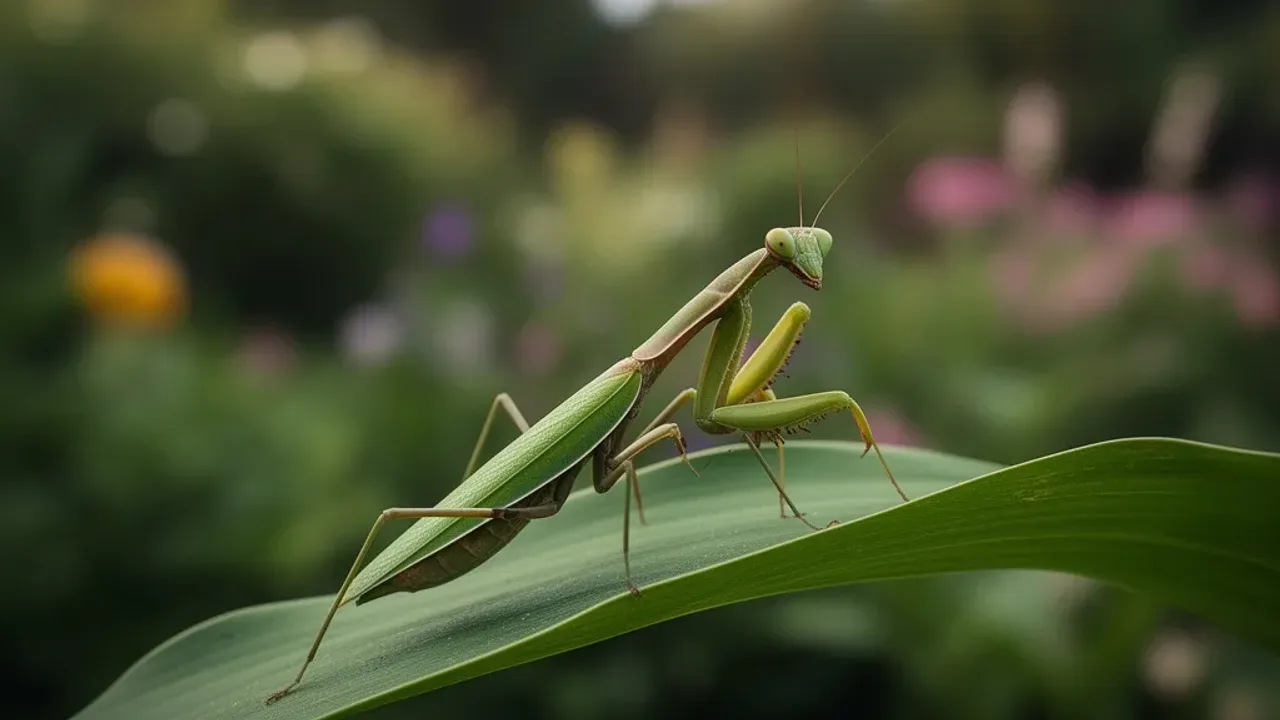 AI-generated image
Key Takeaways:
- Insects that start with p inhabit diverse ecosystems, from residential gardens to vast agricultural fields.
- The Praying Mantis is a widely recognized insect known for its predatory behavior and unique physical structure.
- Effective insect management relies on proper classification and identifying specific traits, such as the markings on a Painted Lady.
- Many of these insects serve as essential pollinators or natural controllers of other insect populations.
Concise Fact Sheets
Identifying the variety of insects that start with p is the first step toward understanding their ecological importance. Below are brief profiles of some of the most common species encountered in North America and beyond.
- Praying Mantis: Known for its triangular head and raptorial front legs. It remains perfectly still to capture unsuspecting prey.
- Painted Lady: A migratory butterfly found on almost every continent. It is easily recognized by its vibrant orange, black, and white wing patterns.
- Paper Wasp: These insects construct umbrella-shaped nests using a papery substance made of chewed wood fibers and saliva.
- Pantry Moth: A common household insect often discovered in stored dry food products like grains, flour, and cereals.
- Peacock Butterfly: Features large, distinctive eyespots on its wings. These markings serve as a primary defense mechanism against birds.
- Periodical Cicada: These insects spend the majority of their lives underground as nymphs, emerging only after 13 or 17 years.
- Potato Beetle: A significant agricultural insect that primarily feeds on the foliage of potato plants, often causing damage to crops.
- Puss Caterpillar: The larval form of the southern flannel moth. It is covered in dense, toxic, hair-like bristles that can cause severe irritation.
Descriptive Profiles of Notable Species
To truly understand the diversity of insects that start with p, one must look closer at their specific behaviors. Nature provides endless examples of adaptation and survival strategies that keep our ecosystems running smoothly.
The Praying Mantis
The Praying Mantis is perhaps the most iconic of the insects that start with p. Its name is derived from its characteristic posture, where the front legs are held together as if in prayer. These insects are masters of camouflage, often blending seamlessly into foliage to wait for prey. They are highly efficient hunters, using their specialized vision to track movement before striking with incredible speed. In many gardens, they are welcomed as natural protectors that help keep smaller pest populations in check.
The Painted Lady Butterfly
The Painted Lady is a marvel of the insect world. It is one of the most widely distributed butterflies on the planet, capable of traveling thousands of miles during its seasonal migrations. Unlike some species that rely on a single plant, the Painted Lady is a generalist and can feed on a wide variety of host plants. This adaptability is a key reason for its success across so many different climates and regions.
Comparison of Insect Characteristics
When studying insects that start with p, comparing their environmental needs and dietary habits provides clarity on how they fit into the broader natural environment.
| Insect | Primary Natural Environment | Dietary Category |
|---|---|---|
| Praying Mantis | Gardens and Meadows | Predatory |
| Potato Beetle | Agricultural Fields | Herbivorous |
| Pantry Moth | Indoor Pantries | Stored Grains |
| Paper Wasp | Eaves and Trees | Predatory/Nectar |
Practical Recommendations for Identification
For those looking to engage in insect classification, having a systematic approach is helpful. Careful observation is the best tool for the field researcher.
- Observe the wing patterns: Many butterflies, like the Painted Lady, have distinct colors that act as a "fingerprint" for the species.
- Check for structural markers: Note the shape of the head or the presence of specific appendages, such as the raptorial legs of a mantis.
- Inspect the natural environment: Where you find the insect often provides the biggest clue to its identity.
- Listen for acoustic signals: Insects like the cicada are often heard long before they are seen.
- Use professional resources: Refer to regional field guides to confirm your findings.
General Insect Classification Notes
Taxonomy helps us organize the vast number of insects that start with p into groups that share similar evolutionary histories. While many people see these insects as simple creatures, their classification reveals complex lineages.
- The Praying Mantis belongs to the order Mantodea, which is distinct due to their specialized forelimbs.
- Vanessa cardui, the scientific name for the Painted Lady, is a subject of constant study regarding long-distance migration.
- Polistes, the genus of paper wasps, is known for relatively simple social structures compared to honey bees.
- Leptinotarsa decemlineata, the Colorado potato beetle, has become a model organism for studying insecticide resistance.
- Magicicada species are unique among insects for their long-lived subterranean nymphal stages.
- Plodia interpunctella, the pantry moth, is frequently studied in the context of food storage safety.
- Inachis io, the Peacock Butterfly, is known for its ability to fold its wings to blend into tree bark.
- Megalopyge opercularis larvae possess specialized glandular hairs that cause severe skin reactions upon contact.
Frequently Asked Questions
Are all insects that start with p harmful?
No. Many are highly beneficial. For instance, the Praying Mantis helps control other insect populations, while the Painted Lady is an important pollinator. Sources: Entomology Society, USDA Resources, and National Geographic.
How can I identify a paper wasp nest?
Paper wasp nests are typically open, umbrella-shaped structures made of gray, papery material. They feature visible hexagonal cells where the larvae develop. Sources: Entomology Society and Extension Services.
Why do periodical cicadas stay underground for so long?
This long-term subterranean development is an evolutionary strategy to avoid predators. By emerging in massive numbers every 13 or 17 years, they ensure the survival of the species. Source: National Geographic.
Is the puss caterpillar dangerous?
Yes. It is highly venomous. Touching it causes intense pain and swelling. It is considered one of the most dangerous caterpillars in North America. Source: USDA Resources.
What should I look for to identify a potato beetle?
Look for bright yellow-orange egg clusters on the undersides of leaves. The adult beetle is easily recognized by the 10 distinct black stripes on its shell. Source: Extension Services.
Summary
The study of insects that start with p reveals the incredible diversity within our natural environment. By mastering the art of identification and respecting the roles these species play, we can better appreciate the complex web of life around us.
Share: